
What do official travel advisories say about Costa Rica right now
На початку 2025 року три основні урядові джерела не радять відмовлятися від поїздок до Коста-Рики, але закликають бути обережнішими через злочинність. Державний департамент США встановив для країни другий із чотирьох рівнів небезпеки й радить бути уважнішими, ніж зазвичай. МЗС Великої Британії не застерігає проти відвідування більшості районів, а австралійський Smartraveller радить дотримуватися звичайних заходів безпеки.
Усі три відомства сходяться в головному попередженні: дрібні крадіжки та вулична злочинність є найпоширенішою загрозою для туристів. Крадіжки трапляються навіть удень у людних місцях, на автобусних зупинках та пляжах. Окремо згадують ризик збройних пограбувань, хоча й значно рідший. Жодне джерело не фіксує системної загрози тероризму чи політичного насильства щодо мандрівників.
Ось короткий огляд актуальних рекомендацій трьох урядових джерел:
- Державний департамент США тримає рівень 2 для всієї країни через злочинність і радить не виїжджати за межі великих курортів у темну пору доби.
- МЗС Великої Британії не обмежує поїздок, але наголошує на високому ризику крадіжок в автобусах, на зупинках і в орендованих авто.
- Австралійський Smartraveller радить бути звичайно обережними, однак попереджає про збройні напади в Сан-Хосе та на карибському узбережжі.
- Усі три відомства радять залишати цінні речі в сейфі готелю та не носити з собою великих сум готівки.
Which parts of Costa Rica have the highest risk for tourists
San José consistently appears in official advisories as the area with the most reported crime. The UK Foreign Office (updated October 2025) flags the downtown neighbourhoods of El Carmen, La California and the Coca-Cola bus terminal area for muggings and pickpocketing, particularly after dark. Desamparados and Pavas, both residential districts south and west of the centre, are also named as places where tourists should not walk alone at night.
The Caribbean port city of Limón and its immediate surroundings carry a higher risk of armed robbery and drug-related violence. The US State Department advises extra caution in the neighbourhoods of Los Cocos, Cieneguita and Pacuare, and recommends avoiding the area after sunset. The problem is not the cruise terminal itself but the streets a few blocks inland, where opportunistic crime spikes when large groups of passengers disperse.
Puntarenas, the ferry hub on the Pacific coast, has a similar pattern: the waterfront and pier are busy and generally safe during the day, but the backstreets and the area around the old market see frequent petty theft. The Australian Smartraveller advisory (reviewed November 2025) adds that isolated beaches along both coastlines, particularly those without nearby hotels or ranger stations, carry a higher risk of theft and occasional assault.
What are the most common crimes that affect travellers
Petty theft and bag snatching are the main risks. Pickpocketing happens in crowded bus stations, on public buses in San José and at busy markets. Thieves often work in pairs: one distracts you while the other takes your bag. A phone left on a café table or a backpack hanging on the back of a chair can disappear in seconds.
Car break-ins are frequent at beach car parks and trailheads, even in daylight. Never leave anything visible inside a parked vehicle, not even an empty beach bag or a charging cable. Armed robbery is much rarer but does happen, mostly after dark on isolated beaches and in poorly lit city streets. The UK Foreign Office and US State Department both note these patterns in their 2025 advisories and recommend avoiding walking alone at night in unfamiliar areas.
- Keep your passport, spare cards and most cash locked in a hotel safe, not in your day bag.
- Carry only the cash you need for the day and split it between two pockets.
- Use a cross-body bag with a sturdy strap and keep it in front of you on buses and in markets.
- Leave jewellery, expensive watches and flashy electronics at home: they mark you as a target.
- If someone tries to snatch your bag, let it go. No phone or wallet is worth an injury.
- After dark, take a licensed taxi or a ride-share instead of walking, even for short distances.
How safe are the beaches and national parks
Beaches and national parks are generally safe during daylight hours when you stick to marked trails and guarded swimming areas. The main risks are natural rather than criminal: rip currents on Pacific and Caribbean coasts, unexpected wildlife encounters and losing your way on poorly signed paths.
Guarded beaches display coloured flags. A red flag means the water is closed to swimmers, yellow signals caution and green indicates calm conditions. Lifeguards are present at popular spots like Manuel Antonio and Tamarindo, but many beautiful coves have no guards at all. Unguarded beaches often have stronger rips and no warning system, so ask at your accommodation before swimming anywhere without flags.
In national parks, stay on the marked trail even if a viewpoint looks tempting a few metres off the path. Snakes, including the venomous fer-de-lance, rest in leaf litter and are hard to spot. Monkeys and coatis may approach for food, but a bite or scratch means a rabies risk and a trip to a clinic. Carry enough water, start early to avoid afternoon rain and tell someone your planned route and return time if you are hiking alone.
What scams should I watch out for in Costa Rica
Tourists most often report distraction theft, fake tour operators and taxi overcharging. Scammers rarely use aggression, they rely on a friendly approach to lower your guard. A stranger who suddenly helps you with a flat tyre or spills something on your shirt is usually working with an accomplice who takes your bag while you are distracted.
- Fake tour operators and guides. Someone approaches you at a bus station or national park entrance offering a discounted tour. They collect cash and disappear, or the tour is nothing like what was promised. Book only through your hotel or a licensed operator with a physical office and recent reviews.
- Taxi overcharging. A driver claims the meter is broken or quotes a fare several times higher than the normal rate. Always use official red taxis with a working meter, agree on the price before getting in if the meter is off, and consider using a ride-hailing app where available.
- Distraction theft. One person spills food or drink on you and apologises profusely while another takes your phone or wallet from the table or your back pocket. Keep valuables out of sight, and if someone causes a commotion near you, check your belongings immediately.
- Slash-and-grab at beaches. While you are swimming, someone cuts your bag open or simply walks off with it. Never leave passports, phones or large amounts of cash unattended on the sand. Use a waterproof pouch for essentials or leave one person with the bags.
- ATM and card skimming. Devices attached to cash machines copy your card data while a hidden camera records your PIN. Use ATMs inside banks or supermarkets during daylight hours, cover the keypad with your hand, and check the card slot for anything loose before inserting your card.
Is it safe to drive in Costa Rica
Driving in Costa Rica is possible but demands more caution than in the UK or the US. Road conditions vary sharply: main highways like Route 1 and Route 27 are paved and well marked, while secondary roads and tracks leading to beaches or national parks often have potholes, loose gravel and no lighting. Mountain routes twist tightly and fog can cut visibility to a few metres without warning.
Night driving is the single biggest risk travellers take. Outside San José and the larger towns, roads are unlit, pedestrians and cyclists walk on the carriageway and animals stray onto the tarmac. The UK Foreign Office and the US State Department both advise against driving after dark, and local hire companies sometimes include a night-driving exclusion in the contract. Read the small print before you sign.
Car hire insurance traps catch many visitors. Costa Rican law requires third-party liability cover, which is often excluded from the headline price on booking sites. When you collect the car, the rental desk adds a mandatory fee that can double the cost you expected. Bring a printed letter from your credit card provider confirming collision damage waiver cover for Costa Rica specifically, and still budget for the compulsory local policy.
Practical steps that reduce the risk:
- Hire a high-clearance 4x4 if your route includes unpaved roads or river crossings.
- Use Waze rather than Google Maps; local drivers update hazards, police checkpoints and road closures in real time.
- Keep windows up and doors locked in towns to block opportunistic theft at traffic lights.
- Never leave luggage visible in a parked car, even inside a national park car park.
- Carry a printed road map as backup because mobile signal disappears in the mountains and along the coast.
- Check river levels with your accommodation before driving through a ford; cars get swept away during the rainy season from May to November.
What practical steps make a trip to Costa Rica safer
Small habits cut most risks tourists face in Costa Rica. The UK Foreign Office and the US State Department both point to petty theft as the main threat, so your daily routine matters more than any special gear.
Leave your passport in the hotel safe and carry a photocopy or a clear photo on your phone. Use the safe for spare cards and most of your cash too, keeping only what you need for the day in a front pocket or a cross-body bag you can see.
- Book registered taxis through your hotel, an official rank at the airport or the Didi app, and never hail a car on the street after dark in San José.
- Lock car doors and keep bags out of sight even while driving, as snatch thefts through open windows happen at traffic lights in the capital.
- Avoid wearing expensive watches or jewellery on the street and leave them locked up when you head to the beach, where they make you a target and can get lost in the sand.
- Stick to well lit streets and travel in a group after sunset, especially around bus stations and the Coca Cola area in central San José.
- Keep a second bank card separate from your main one and store emergency cash somewhere a pickpocket will not check, like inside a sock or a hidden belt pouch.
- Save the local emergency number 911 in your phone and note the address of your country’s embassy or consulate in San José before you arrive.
Frequently asked questions
Is Costa Rica safe for solo female travellers
Yes, many women travel solo in Costa Rica without incident. Stick to well-reviewed accommodation, avoid walking alone on unlit streets after dark and use registered taxis or ride-hailing apps rather than flagging down a car on the street. The same precautions you would take in any unfamiliar country apply here.
Are there any areas I should avoid completely
Official advisories suggest avoiding certain neighbourhoods in San José after dark, particularly around the Coca-Cola bus terminal and parts of the southern suburbs. Some districts of Limón city also carry a higher risk of violent crime. During the day these areas are generally fine if you stay alert, but at night it is wiser to take a taxi door to door.
Do I need any special vaccinations for Costa Rica
No vaccinations are mandatory for entry, but hepatitis A and typhoid are recommended for most travellers. If you plan to visit rural areas or stay in basic accommodation, a hepatitis B and rabies vaccination may also be worth discussing with your doctor. Tap water is safe to drink in most of the country, though bottled water is a sensible choice in very remote areas.
Is the tap water safe to drink in Costa Rica
Tap water is generally safe to drink in cities, towns and most tourist areas. In very remote rural locations or on the Caribbean coast, locals often drink bottled water and you may prefer to do the same. If you have a sensitive stomach, sticking to bottled or filtered water for the first few days is a simple precaution.
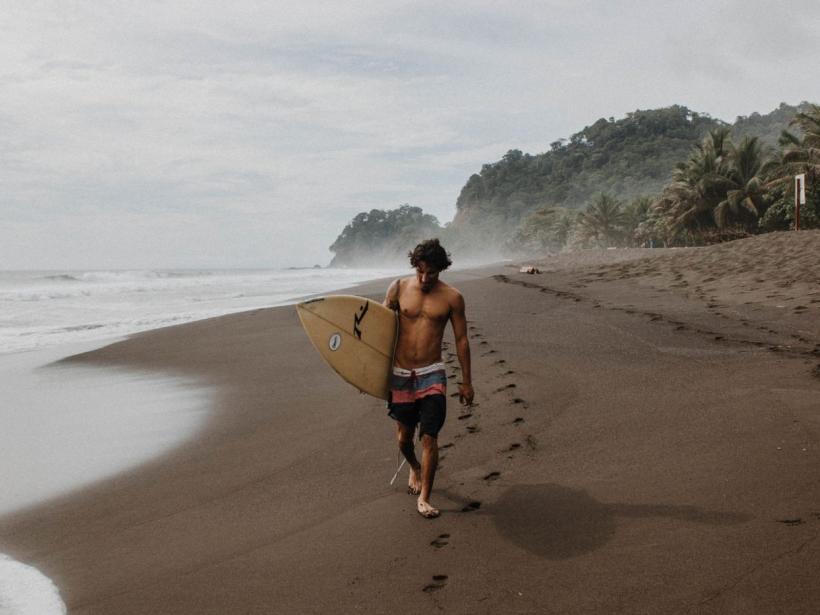
Photo: Lorena Villarreal, Pexels (Pexels License)