
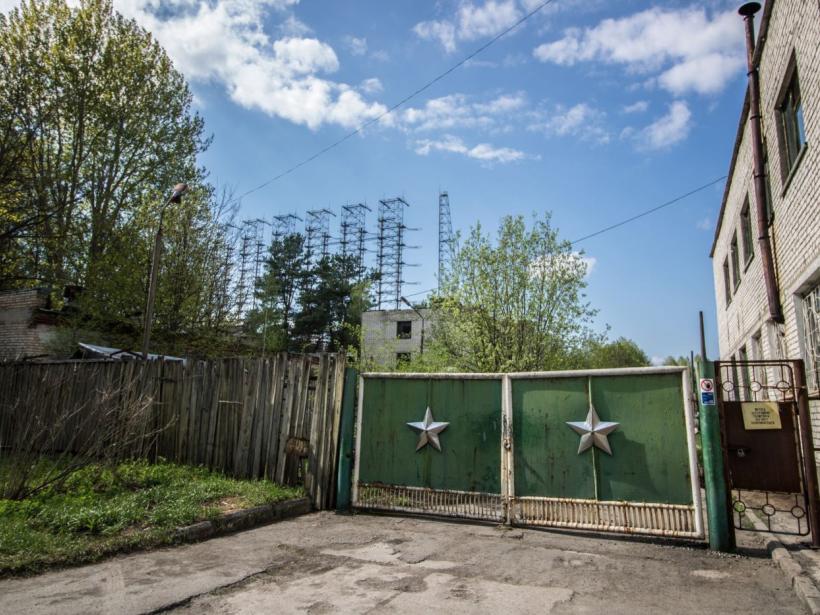
What is the average cost of a Chornobyl tour?
A standard one-day group tour from Kyiv typically costs between $100 and $180 per person in 2025. The final price depends on the operator, the day of the week and how far ahead you book. Weekday departures with a smaller agency often sit at the lower end of that range, while weekend trips with a well-known company that includes a more detailed programme lean toward the upper end.
That baseline fee covers your transport from a central meeting point in Kyiv, an English-speaking guide, the official zone entry permit and the mandatory insurance. The permit itself needs a day or two to process, so last-minute bookings are rarely possible. You also get a structured route that includes the key stops: the reactor 4 sarcophagus, the Duga radar array and the Pripyat ghost town.
What does the tour price include?

Most Chornobyl tours from Kyiv bundle the essentials into one upfront cost. You can expect a return transfer from central Kyiv, the mandatory government permit, and an English-speaking guide who stays with your group for the entire day. Entry fees to the Exclusion Zone checkpoints are also covered, so you will not need cash at the barriers.
Standard group tickets do not cover everything. Lunch is sometimes provided as a packaged meal, but on many itineraries you pay for your own food at the canteen. Geiger counter rental, personal travel insurance, and tips for the guide are nearly always separate. Check the listing carefully: a lower headline figure often leaves out the permit fee, which is a legal requirement and not optional.
- Air-conditioned return coach or minivan from Kyiv, with pickup at a fixed central meeting point.
- Official day pass and police checkpoint fees for the 10 km and 30 km zones.
- Licensed English-speaking guide for the full 10, 12 hour visit.
- Standard route covering the reactor viewpoint, Prypiat ghost town, and the Duga radar.
- Geiger counter hire, typically a small cash add-on if it is not in the base price.
- Personal medical and accident insurance, which you arrange separately before the trip.
Why do private tours cost more?
A private Chornobyl tour gives you full control over the pace and the route. Instead of following a fixed group schedule, you decide how long to spend at each stop, whether to linger at the Duga radar or skip a location entirely. That flexibility means the guide works only for you, and the vehicle stays at your disposal throughout the day.
The vehicle itself is a smaller, more comfortable car or minivan rather than a large coach. You also get a dedicated guide who can tailor the commentary to your interests, whether that is Soviet architecture, wildlife or the engineering story of the disaster. Fewer people share the fixed costs of the permit, transport and guide, so your per-person price is naturally higher than a group seat.
- Your own vehicle waits for you at every stop; no rushing back to a bus.
- The guide adapts the route and stories to your specific interests.
- You can start earlier or stay later within the allowed zone hours.
- Smaller groups access spots where large coaches cannot park.
- Fixed costs such as the permit and insurance are split among fewer travellers.
- Last-minute route changes are possible when you spot something intriguing.
How does the season affect the price?

Spring and early summer see the highest demand, particularly around the 26 April anniversary. Operators often raise prices for day trips by 15 to 25 percent during this peak window because permits and transport are booked solid weeks ahead.
Late autumn and winter, from November to February, are the quietest months. You can find standard group tours at the lower end of the typical range, and guides are more open to small discounts for midweek bookings. The trade-off is bare trees and shorter daylight, which some photographers actually prefer for the stark, empty landscapes.
A mid-season sweet spot falls in September and October. Crowds thin out, the heat eases, and prices settle back to the standard advertised rate without the spring surcharge.
Are there any extra costs on the day?

The base price covers your transport, guide, permits, lunch and insurance, so you can spend the whole day without opening your wallet. A few optional extras can crop up, so it is sensible to carry a small amount of cash in hryvnia, as card terminals inside the Zone are unreliable.
- Renting a personal Geiger counter. Most visitors rely on the guide’s device, but holding your own adds to the atmosphere. Rental costs are modest and paid on the spot.
- A hot lunch upgrade. A packed lunch is included, yet many groups stop at the Zone canteen for freshly cooked borscht and a main course. Settle the bill in cash.
- Souvenirs. The souvenir stalls near the power plant and at the checkpoint sell themed T-shirts, magnets, patches and replica gas masks. Small notes work best here.
- Tips for your guide. Tipping is not compulsory but is common practice when you have had a particularly informative day.
- Toilet access. Public facilities in the Zone are free, though a few stops charge a nominal fee. Keep coins handy.
Set aside the equivalent of a modest café lunch plus a bit for trinkets, entirely in cash, and you will be prepared. If you prefer not to spend anything extra, that is also perfectly fine.
How to book a tour and lock in the best price
Book your Chornobyl tour at least two to four weeks ahead, especially if you plan to visit between May and September. Tour operators need time to submit your passport details to the authorities for a security permit, and last-minute places are rare. Early booking also gives you a wider choice of dates and lets you compare what different tours include before you commit.
Always read the inclusions list carefully before you pay. A low headline price can look appealing, but if the permit fee, insurance or lunch is extra, the final cost may be higher than you expect. A clear operator will show you a single total and explain exactly what you are buying. Confirm the cancellation terms in writing as well. A flexible policy that allows a full refund up to 48 hours before departure protects you if your plans change, and it shows the company is not relying on hidden fees.
Frequently asked questions
Do I need to pay extra for the entry permit?
No. A reputable tour operator includes the mandatory entry permit fee in the total tour price. You never pay for the permit separately at the checkpoint.
Can I get a refund if the zone is closed unexpectedly?
Yes. If the authorities close the zone for security or safety reasons, operators typically offer a full refund or a free reschedule. Always check the cancellation terms before you book.
Are multi-day tours much more expensive?
A two-day tour usually costs about twice as much as a one-day trip because it includes an overnight stay inside the zone, extra meals, and a longer guided itinerary. The daily rate is comparable to a private tour.
Photo: Gáspár Ferenc, Pexels (Pexels License)