
What does a typical Costa Rica couples package include?
A mid-range couples package bundles the logistics so you land with the big pieces already arranged. You are not buying a minute-by-minute itinerary. You are paying for a framework that leaves room for spontaneity and removes the friction of booking each piece separately.
Most operators structure a 7-night trip around two or three different lodges so you experience both a volcano highland and a coastal stretch. Nearly every mid-range package includes:
- A private room with a king bed at a boutique lodge or small resort, typically with a balcony or terrace facing the forest or ocean.
- Daily breakfast, and occasionally a welcome dinner on the first night.
- Private airport transfers on arrival and departure, plus all ground transportation between lodges.
- One guided nature walk or hanging bridges tour with a naturalist who spots wildlife you would miss on your own.
- A half-day adventure activity such as a whitewater rafting trip, a canyoning descent or a zip-line canopy tour.
- A sunset sailing or catamaran cruise with drinks and light snacks, timed for the golden hour.
How much should a 7-day couples package cost?

A realistic budget for a mid-range 7-day package for two people is $3,500 to $5,500, excluding international flights. This typically covers private transfers, boutique lodging, a handful of guided excursions and breakfast. Luxury itineraries with high-end eco-lodges, private guides and domestic flights easily reach $8,000 to $12,000 per couple.
Three factors swing the total the most. Accommodation style comes first: a beachfront bungalow in Manuel Antonio costs far more than a garden room in the Central Valley. The second is how you get around. Private shuttles with a dedicated driver add $80 to $150 per transfer leg, while shared shuttles or a rental car cut that figure by half or more. The third is the number of tours you book in advance. Zip-lining, whitewater rafting and night hikes each add $60 to $120 per person.
Costa Rica does not have a strong all-inclusive culture outside a few large resorts in Guanacaste. Most couples packages bundle lodging, transport and two or three signature activities, leaving meals beyond breakfast and free afternoons unscripted. That openness is part of the draw, but you should budget an extra $40 to $80 per day for lunches, dinners, and spontaneous stops at roadside sodas.
Which region works best for a first trip as a couple?
Manuel Antonio suits couples who want wildlife and beaches without long drives. The national park packs monkeys, sloths and white-sand coves into a compact area, and most lodges sit within a 10-minute shuttle ride of the entrance. You can alternate between morning hikes and afternoon swims without moving hotels, which keeps the trip simple.
The Arenal and Monteverde loop works better if you both enjoy moving every few days and care more about landscapes than the beach. You typically start with two nights in Arenal for volcano views, hot springs and hanging bridges, then transfer three hours to Monteverde for cloud forest ziplining and coffee tours. The trade-off is four to five hours on winding mountain roads, compared to the direct two-and-a-half-hour drive from San José to Manuel Antonio.
For a first visit, the Manuel Antonio area cuts logistical friction and gives you both jungle and coast in one base. Couples who pick the Arenal route tend to add a beach extension around Tamarindo or the Papagayo Peninsula, which stretches the trip to nine or ten days.
Are adventure and relaxation both possible in one trip?

A well-planned week in Costa Rica gives you exactly that. The country is small, and two contrasting regions sit only three to four hours apart by road. A common split pairs three nights in the Arenal area with four nights on a Pacific beach such as Manuel Antonio or the Papagayo Peninsula. You get rainforest hikes, hanging bridges and hot springs early in the trip, then switch to a slower rhythm of swimming, sunset sails and fresh seafood without a long travel day.
Book a package that bundles the inter-hotel transfer as a private shuttle with a planned stop along the way. A direct drive from Arenal to Manuel Antonio takes about four and a half hours, but a good operator will break it halfway at a coffee plantation or a waterfall lookout. This turns a transfer into a low-key sightseeing morning. You still reach the coast by early afternoon with the rest of the day free.
Pick a package that keeps your activity days in the first half and leaves the final two full days unscheduled. You want one guided outing, such as a hanging bridges walk or a sloth tour, and the rest of the time open for hot springs or poolside reading. On the coast, a single included excursion like a catamaran cruise or a national park walk is enough. The real relaxation comes from four nights in one beach hotel with no early checkouts, no repacking, and no alarms set for a van.
What add-ons give you the most value for two?

Some extras genuinely change the rhythm of a trip and are worth the splurge. A private transfer from Liberia or San José airport means you skip the shared shuttle wait and arrive at your lodge together without extra stops. Many packages already include a rental car, but booking a driver for the first leg removes the stress of navigating unfamiliar roads after a flight.
Experiences that are hard to arrange independently often deliver the best memories. Look for operators who can add these to a base package without inflating the price:
- A guided night hike in Monteverde or Arenal, where you spot tree frogs, sleeping birds and kinkajous with a naturalist’s flashlight.
- A sunset catamaran cruise along the Guanacaste coast, typically with snorkeling, an open bar and a quiet cove swim.
- A couples massage in an open-air spa pavilion, often set above a river or in a forest clearing with volcanic stone techniques.
- A private cooking class in a local home, making tortillas and gallo pinto together before sitting down to lunch.
- A whitewater rafting day trip on the Pacuare River, where the two of you share a paddle raft with a guide through Class III rapids.
These add-ons cost more than self-booked alternatives, but the logistics, timing and guide quality are already vetted by the package provider. The real value for two is the uninterrupted time together while someone else handles the details.
What should you watch out for when booking a package?
Park entrance fees are rarely included in the headline price. A day at Manuel Antonio National Park costs a fixed per-person fee you pay at the gate, and some packages mention the tour but not the entry cost. Ask for a line-by-line breakdown before you book.
Vague accommodation descriptions hide real compromises. A "jungle lodge" can mean an open-air bungalow with a private plunge pool or a screened room with a shared bathroom a 40-minute drive from the nearest restaurant. Get the property name, look up recent guest photos and check the exact distance to the places listed in the itinerary.
Peak-season surcharges and non-refundable deposits lock you in fast. December through April and holiday weeks often carry mandatory supplements that appear only at checkout. Read the cancellation terms for the deposit: some operators keep 50% or more even when you cancel months ahead.
Frequently asked questions
Is Costa Rica safe for couples traveling alone?
Yes, Costa Rica has a stable tourism infrastructure and is widely considered one of the safest countries in Central America. Stick to the usual precautions: do not leave valuables on the beach, avoid isolated roads after dark and use official taxis or pre-booked shuttles.
Do we need a rental car or are shuttles enough?
A rental car gives you freedom to stop at roadside fruit stands and hidden beaches, but shared shuttles work fine if you stick to two or three main stops. If you rent, get a 4x4 for any route that mentions gravel or river crossings and budget for the mandatory liability insurance.
When is the best time of year for a couples trip?
The dry season from December to April brings sunny days and busy beaches, while the green season from May to August offers lower prices and lush landscapes with mostly afternoon showers. September and October see the heaviest rain on the Pacific coast, so many lodges close.
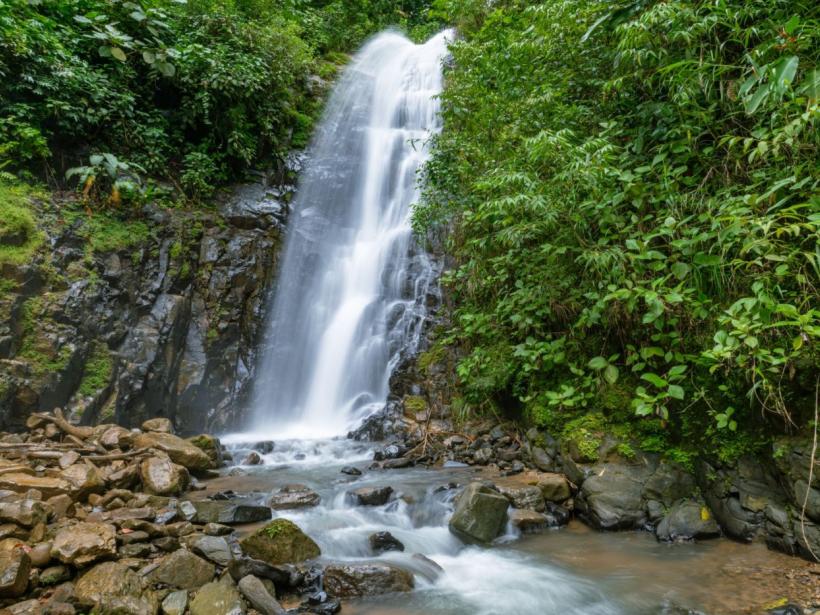
Photo: Enrique Hidalgo, Pexels (Pexels License)