
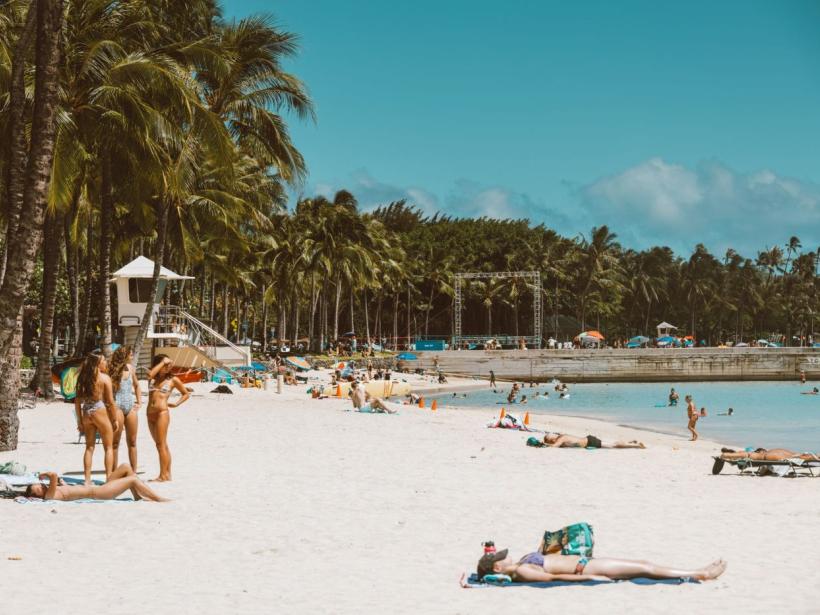
Is Barbados safe right now? The official advice for 2026
Barbados is a safe destination for tourists, with most visits trouble-free. The UK Foreign, Commonwealth and Development Office does not warn against travel to the island and, as of its latest update in early 2026, reports that the majority of trips pass without incident. Violent crime affecting visitors is rare.
The US State Department places Barbados at Level 1, the lowest advisory tier, meaning travellers should simply exercise normal precautions. Smartraveller, the Australian government service, mirrors this view and highlights petty crime as the main concern, not violent threats. All three agencies updated their guidance in the first quarter of 2026.
Official advice focuses on guarding against opportunistic theft. You are advised to secure passports and valuables in a hotel safe, avoid isolated beaches after dark and use licensed taxis. The FCDO also notes that drug-related shootings do occur, but they are gang-related and happen away from tourist zones.
Which areas of Barbados should I avoid?
Більшість острова безпечна, але кілька районів потребують підвищеної уваги, особливо після заходу сонця. Уникайте деяких внутрішніх частин Бриджтауна вночі, а також окремих ділянок на південному та західному узбережжі. Місцева поліція регулярно патрулює туристичні зони, однак варто заздалегідь знати, куди не ходити.
Найбільший ризик для мандрівників становлять ізольовані пляжі. Віддалені бухти без нагляду, як-от деякі ділянки на східному узбережжі, приваблюють грабіжників, бо там немає свідків. Навіть удень тут не варто залишати речі без нагляду. Ось конкретні місця і ситуації, про які попереджають офіційні джерела:
- Краб Гілл (Crab Hill) та прилеглі вулиці вночі. Поліція Барбадосу називає цей район небезпечним через випадки вуличної злочинності, зокрема пограбування.
- Внутрішні квартали Бриджтауна після настання темряви. Діловий центр міста порожніє ввечері, і в деяких провулках трапляються дрібні крадіжки.
- Віддалені пляжі без рятувальників і відвідувачів, особливо на східному березі. Крім ризику пограбування, там часто бувають сильні течії.
- Нічні пересування пішки вздовж неосвітлених ділянок шосе. Тротуари є не скрізь, а водії можуть не помітити пішохода в темряві.
Common scams and petty crime tourists face
Most incidents reported by visitors involve opportunistic theft rather than violent crime. The UK Foreign Office travel advice for Barbados, last updated in early 2026, notes that petty crime such as pickpocketing and bag snatching does occur, particularly in crowded areas and on beaches. Incidents tend to rise during peak tourist seasons when more targets are present.
Distraction techniques are the most common method. One person may ask for directions or spill a drink on you while an accomplice takes an unattended bag. On busy stretches of the south and west coasts, thieves watch for swimmers who leave phones and wallets under a towel. The steps to prevent this are straightforward and apply to most warm-weather destinations.
- Leave passports, large sums of cash and spare cards in your hotel safe and carry only what you need for the day.
- Use a dry bag or waterproof pouch and keep valuables with you in the water rather than hiding them on the sand.
- Agree on a taxi fare before getting in, as licensed cabs do not use meters and overcharging unaccompanied tourists is a known complaint.
- Ignore unsolicited offers of guided tours, cheap jewellery or “free” drinks on the beach, which often lead to aggressive demands for payment.
- At ATMs, shield your PIN and avoid machines on quiet side streets after dark; card skimming has been reported occasionally in Bridgetown.
- If you rent a car, never leave bags or shopping visible on the seats, even for a short stop at a scenic viewpoint.
If you are robbed or lose documents, report it at the nearest police station and ask for a written report. Your travel insurance will need this paperwork. The local police number for non-emergency calls is 211. The Barbados Police Service runs a station for tourists in Holetown, handy if you are staying on the west coast.
Is Barbados safe for solo female travellers?
Barbados is generally a welcoming destination for women travelling alone, and many visit without incident. The UK Foreign Office and the US State Department do not single out solo women in their travel advice for the island, which suggests the risks are not substantially different from those for any tourist. You are likely to receive unsolicited attention from local men, from persistent chat on the beach to comments on the street, which most find an annoyance rather than a threat.
A firm but polite "no, thank you" works in most situations. Ignoring the attention and continuing to walk is often the quickest way to end it. At night, stick to well-lit areas and use registered taxis or rides arranged by your accommodation rather than walking alone on the beach or through unlit streets. The same precautions that serve you in any unfamiliar place apply here: watch your drink and never share your exact accommodation details with strangers.
Dress is relaxed across the island, and beachwear is normal on the sand, but covering up when you leave the beach shows respect for local norms and cuts unwanted stares. If you are staying in a self-catering apartment or a villa on your own, check that doors and windows lock securely before you settle in for the night.
Safety tips for driving and using public transport
Driving in Barbados is on the left, and the main roads are generally well maintained. Once you leave the coastal highways, expect narrower lanes, occasional potholes and unlit stretches at night. Roundabouts are common and locals tend to merge assertively, so a defensive driving style keeps you out of trouble.
Public transport is frequent along the south and west coasts and quite safe during daylight hours. The blue government buses take exact change only. Private yellow buses and white ZR vans run the same routes, often faster and with music, though driving standards can feel abrupt if you are not used to them. ZR vans are licensed and reliable, and the fare is collected by a conductor.
Unlicensed taxis are the one transport risk worth planning around. They are not metered, the driver may lack proper insurance and overcharging is common. Stick to official taxis with a blue number plate and a “Z” prefix, or arrange a ride through your accommodation.
- Hire a small car rather than a large SUV, because inland roads are narrow and parking spaces tight.
- Keep your doors locked and windows up in slower traffic near Bridgetown.
- Check that your rental includes local third-party insurance before you sign.
- Use only official taxis with a blue “Z” plate or book through your hotel.
- Avoid unlit rural roads after dark, as signage is minimal and animals can wander onto the carriageway.
- Carry small notes and coins for buses and ZR vans, as drivers rarely give change.
Hurricane season and natural hazards
Hurricane season in the Caribbean officially runs from 1 June to 30 November, with the peak risk concentrated between mid-August and late October. Barbados sits at the eastern edge of the hurricane belt, about 100 km east of the main island chain, which means most storms pass well to the north. The island has not taken a direct hit from a major hurricane since 1955, though it does catch outer bands that bring heavy rain and gusty winds for a day or two.
When a tropical storm warning is issued, your hotel or guesthouse will activate a clear plan. Staff move outdoor furniture indoors, shut storm shutters, and direct guests to a designated safe area if needed. The Barbados Meteorological Service updates its bulletins every three hours during an active system, and local radio stations broadcast instructions. Tap water and power can cut out for a few hours after a strong squall, so keep a power bank charged and a couple of litres of bottled water in your room from August onward.
Beyond hurricanes, the island has few natural hazards. The east coast sees strong Atlantic swells and rip currents year-round, so swimming is safest on the sheltered west and south coasts where the water is calm. Small earth tremors are recorded now and then but are rarely felt. The most practical precaution is downloading the Barbados MET app before you travel and checking it each morning, the same way you would a weather app at home.
Frequently asked questions
Is Barbados safer than other Caribbean islands?
Yes. Barbados consistently ranks among the safest destinations in the Caribbean, with lower violent crime rates than Jamaica, Trinidad, or the Dominican Republic. Most incidents affecting tourists are limited to opportunistic theft.
Can I walk on the beach at night?
Official travel advisories recommend against walking on isolated beaches after dark. Stick to well-lit areas near restaurants and hotels. During the day, never leave valuables unattended on the sand while you swim.
Is the tap water safe to drink in Barbados?
Yes, the tap water is treated and safe to drink. The Barbados Water Authority confirms it meets World Health Organization standards. Bottled water is widely available if you prefer it.
What should I do in an emergency?
Dial 211 for the police, 511 for an ambulance, and 311 for the fire service. Keep your accommodation's address saved in your phone, as some locations lack clear street signage and emergency responders may need directions.
Photo: Jess Loiterton, Pexels (Pexels License)