
What is the current safety situation in Cozumel according to official sources?
Cozumel is considered a low-risk destination within the state of Quintana Roo. The US State Department places Quintana Roo under a Level 2 advisory (exercise increased caution) as of early 2026, but its warning focuses on mainland areas away from the main hotel zone. The UK Foreign Office does not advise against travel to Cozumel and notes that most visits to the island are trouble-free.
Australia’s Smartraveller service also lists Mexico at Level 2, singling out tourist zones like Cozumel as areas where normal precautions apply. None of the three agencies currently restrict movement in San Miguel, the southern beach clubs or the cruise port area. The official cautions mention incidents in parts of Cancun and the Riviera Maya, not on Cozumel itself.
What matters in practice is that all three authorities update their pages every few months. Check the US State Department and FCDO travel advice for Mexico no more than a week before you fly. The date on the page shows how current the assessment is, and you can read the exact wording about the areas you plan to visit.
Which parts of Cozumel are safest for tourists?
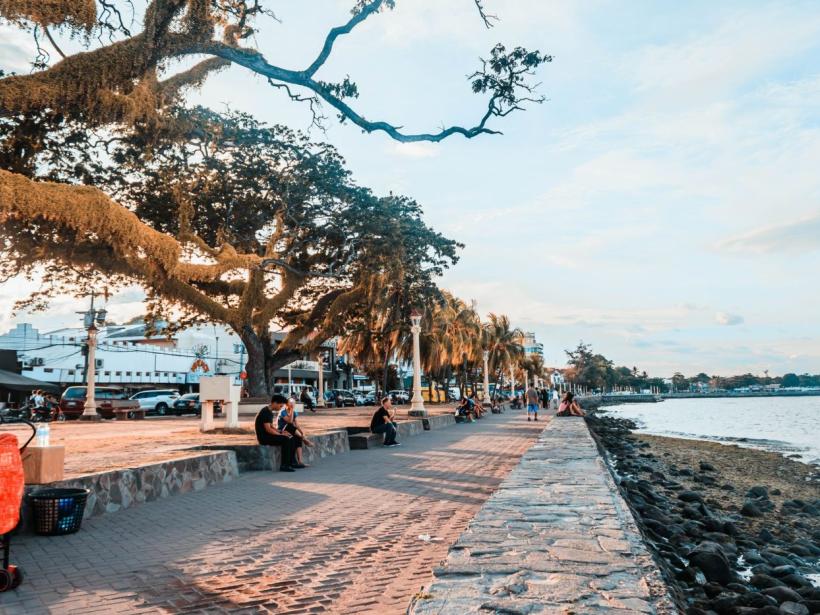
The island’s west coast concentrates nearly all hotels, restaurants and organised activities, and it is where you will spend most of your time. The hotel zone stretching from just north of the cruise piers down to the southern tip is consistently described in official advisories as low-risk for visitors. Resorts, beach clubs and the well-lit waterfront promenade are busy throughout the day and into the evening, and opportunistic crime here is rare compared with mainland resort towns.
Downtown San Miguel around the main plaza feels lively and secure during daylight and early evening. Avenida Rafael Melgar runs parallel to the sea and is lined with shops and open-air restaurants where families and couples walk comfortably after sunset. A few streets back from the waterfront the lighting is patchier and foot traffic thins out after about 10 pm. The east side of the island is undeveloped and beautiful for a daytime drive, but there are no streetlights, little phone signal and virtually no services. The UK Foreign Office advice current as of early 2025 does not flag any specific no-go zones on Cozumel, and the US State Department places the state of Quintana Roo under a general “exercise increased caution” advisory that applies equally to the whole region.
Stick to these well-travelled areas to avoid the circumstances where almost all reported incidents occur:
- The hotel zone south of San Miguel and the marina area north of town are patrolled and designed for tourists, making them the lowest-risk parts of the island at any hour.
- The waterfront promenade and main plaza in San Miguel stay busy until late, and a walk here after dinner feels no different from a European resort town.
- Streets more than three or four blocks inland from the waterfront in San Miguel are residential and poorly lit; they are best avoided on foot after dark.
- The east coast is remote and beautiful for a morning drive, but the lack of phone reception and the empty beaches mean you should head back to the west side well before sunset.
- Any isolated beach or unlit road after midnight carries a small but real risk of opportunistic theft, even on an island with Cozumel’s overall safety record.
What are the most common safety concerns and how do I avoid them?
Petty theft is the most frequent issue, particularly unattended bags on beaches or valuables left visible in rental cars. Lock your passport and spare cash in the hotel safe and carry only a photocopy of your ID and the cash you need for the day. A dry bag keeps your phone and wallet with you while you swim.
Beach safety depends on reading the conditions. The east coast faces open Caribbean swells and strong currents are common, especially from November to April. Swim only where you see lifeguards and respect the coloured warning flags: a red flag means no swimming, yellow signals caution and green indicates calm water. On days with a red flag, ask your hotel which sheltered west coast beach clubs are open instead.
Taxi overcharging happens most often at the ferry pier and outside cruise terminals. Cozumel taxis do not use meters, so agree on the fare in pesos before you get in. Your hotel front desk can tell you the going rate to your destination. Ride hailing apps do not operate on the island, but a pre booked private driver arranged through your accommodation removes the need to negotiate each trip.
Drink spiking is rare but worth guarding against. Stick to busy, well lit bars in the main tourist zone and never leave your drink unattended. If a stranger buys you a drink, watch it being poured at the bar or politely decline. Travel with at least one companion at night and let your hotel know your rough plan.
- Lock valuables in the hotel safe and carry only a photocopy of your passport.
- Use a dry bag to keep your phone with you while you swim.
- Check the colour of the beach warning flag before entering the water.
- Agree on the taxi fare in pesos before you get in, not after.
- Stay in well lit bars and watch your drink being poured.
- Ask your hotel for a trusted private driver to avoid fare negotiations.
Is Cozumel safe for solo female travellers?
Cozumel is one of the safer destinations in Mexico for a woman travelling alone. The island’s economy depends on tourism, and local authorities maintain a visible police presence in the hotel zone and downtown San Miguel. Most solo travellers feel comfortable walking around during daylight hours, though the usual precautions apply.
Choose accommodation in the central hotel zone south of the ferry pier or in the quieter residential blocks just inland from the waterfront. Avoid isolated beach clubs after dark and stick to well lit streets with other people around. Unwanted attention is usually verbal rather than physical. A firm “no, gracias” while continuing to walk is normally enough to end an interaction. Dressing to blend in also reduces catcalling.
At night, take a taxi rather than walking more than a few blocks. Agree on the fare before getting in, as meters are rare. The ferry area feels busy and safe until about 10 pm, but side streets empty out early. Join a group snorkelling trip or a food tour on your first day to meet other travellers and get a feel for the island with company.
How does safety in Cozumel compare to Cancun or Playa del Carmen?
Cozumel has a markedly different safety profile from Cancun and Playa del Carmen, largely because of its geography. The island sits 19 kilometres off the Yucatan coast, reachable only by a 40-minute ferry or a short flight. That water barrier acts as a natural filter: petty crime that moves easily along the mainland highway network rarely crosses the channel. You feel the difference most in the evenings, when the downtown waterfront stays busy with families and the atmosphere remains relaxed well after dark.
The UK Foreign Office and the US State Department (travel advisories updated March 2025) both place Quintana Roo state under a general advisory, but they single out specific neighbourhoods in Cancun and central Playa del Carmen for elevated caution. Cozumel does not appear in those localised warnings. Violent incidents that make headlines on the mainland are rare on the island, and when they do occur they typically involve people far removed from tourist zones. For a visitor, the experience is a quieter, less pressured environment.
What you trade away is big-city convenience. Cancun has more late-night venues and a faster pace, which some travellers want. Cozumel is smaller and sleepier, and that lower density of people means fewer opportunities for bag snatching or street scams. Repeat visitors often say that if you feel at ease in a small European resort town, Cozumel will feel familiar. If you want a club scene until 3 a.m., the mainland fits better.
What practical precautions should I take before and during my trip?
You can avoid most problems with a handful of simple habits. Start before you leave home by buying travel insurance that covers medical evacuation and trip interruption, and store digital copies of your passport, flight details and insurance policy in a cloud folder you can reach without a data connection.
Once on the island, use official taxi stands or arrange rides through your hotel rather than flagging down vehicles on the street. If you rent a scooter, take photos of any existing damage before you drive off and never leave your passport as a deposit, a driver’s licence and a cash sum are standard. During hurricane season, from June through November, check the National Hurricane Center updates each morning and know the location of your hotel’s designated shelter.
- Buy travel insurance that explicitly includes medical evacuation and water sports if you plan to dive or snorkel.
- Save digital copies of your passport, insurance certificate and emergency contacts in a shared cloud folder accessible offline.
- Use official taxi ranks at the ferry pier and airport, or book a car through your accommodation rather than hailing random vehicles.
- Photograph any scooter or car damage before accepting the keys and leave only a cash deposit, never your passport.
- Monitor the National Hurricane Center website daily during the June-to-November season and ask your hotel about their storm shelter procedure at check-in.
- Carry a small amount of cash split between two pockets and leave the rest in your room safe along with your passport and spare cards.
Frequently asked questions
Is the ferry between Playa del Carmen and Cozumel safe?
Yes, the ferry is a well established service used daily by thousands of people. The main safety point is to watch your belongings during the boarding rush and inside the terminal, as pickpocketing can happen in crowded spaces. Official ferry companies operate from clearly marked piers.
Can I drink the tap water in Cozumel?
No, you should stick to bottled or filtered water, which is the standard advice across Mexico. Most hotels and restaurants use purified water for ice and food preparation, but it is wise to confirm this when eating at smaller street stalls. Brushing your teeth with tap water is generally fine.
Do I need to worry about hurricanes in Cozumel?
The official Atlantic hurricane season runs from June to November, with the highest chance of storms between August and October. Cozumel has a well rehearsed civil protection system, and resorts are built to handle severe weather. If you travel during these months, monitor local forecasts and follow any instructions from your hotel staff.
Photo: Orlie Wayne Faustorilla, Pexels (Pexels License)