
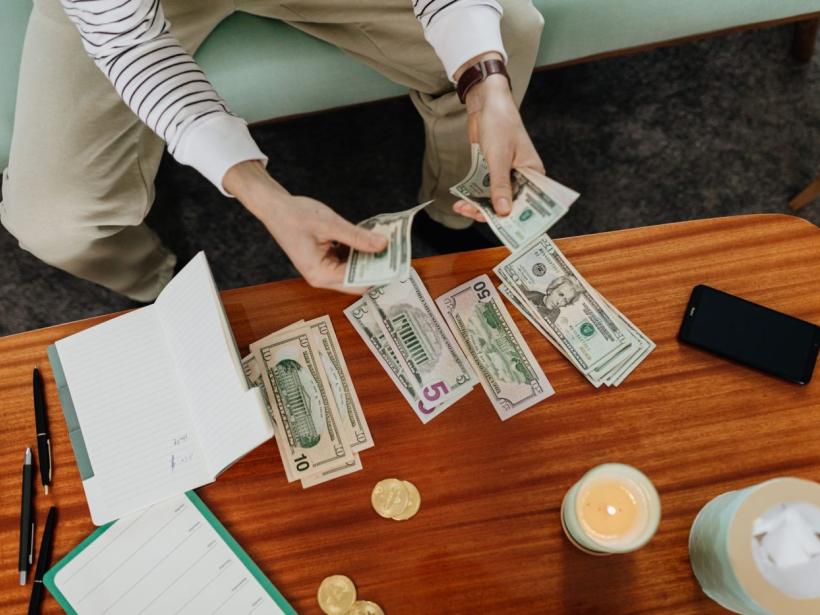
What is a realistic daily budget for a US trip?
A solo traveler staying in hostels and cooking most meals can get by on $70-90 per day. This covers a dorm bed, groceries, a transit pass and one paid attraction or a couple of drinks. It takes planning, but it shows the US is doable without a fortune.
A mid-range budget of $180-250 per day adds a private motel or Airbnb room, two meals out and a rental car share. This suits couples or friends who want comfort without constant splurging.
For a private hotel room, three restaurant meals, taxis and daily tours, budget $350-500 per day. Prices spike in gateway cities, so treat these figures as a national baseline before adjusting for New York or San Francisco.
- Budget: $70-90 per day. Dorm bed, self-catered meals, public transit, one cheap attraction.
- Mid-range: $180-250 per day. Private room, two restaurant meals, occasional taxi, a rental car split two ways.
- Comfort: $350-500 per day. Hotel, three meals out, taxis or rideshares, guided tours and nightlife.
- Couples save on rooms: a private double costs roughly the same as a dorm bed for two singles.
- National parks add a vehicle entry fee of $30-35 and higher in-park lodging costs.
- Tipping 18-22 percent at restaurants adds a hidden $10-25 to every full-service meal.
How much cash should I carry versus paying by card?

Cards are the default payment method across the US, from coffee shops and food trucks to highway tolls and national park entry gates. Visa and Mastercard work everywhere. You can go days without touching cash in most cities, especially if you have a contactless card or a phone wallet.
Cash is still useful in a few specific situations. Smaller diners, farmers' markets and family-run motels may have a minimum charge or prefer cash. You will need a few singles for tips where you cannot add them to a card slip: hotel housekeeping, shuttle drivers and street musicians. Laundromats in budget motels and hostels often run on quarters, so a roll of quarters is more practical than a stack of bills.
Carry $40 to $80 in cash per person, in mixed bills. Withdraw that amount once when you arrive, at an ATM inside a bank branch, not at a standalone machine in a convenience store where fees are higher. Replenish as needed, but keep no more than $100 on you at any time. For everything else, a card gives you a clear spending record and better fraud protection than a thick wallet of cash.
What does a typical day of meals cost in the US?
Food costs vary more than any other daily expense, from a few dollars for a fast-food breakfast to over a hundred for a three-course dinner with wine. The total depends almost entirely on where you eat, not which city you are in. A grocery run for bread, peanut butter, bananas and yogurt keeps you fed for under $15 a day, while a single sit-down dinner with a drink and tip can easily match that amount.
The three common spending levels break down like this:
- Budget grocery and fast food: a supermarket breakfast of oatmeal or yogurt and fruit costs $3-5. Lunch from a food truck or a fast-food value menu runs $6-9. Dinner might be a supermarket salad, a frozen pizza or a cheap takeaway burrito for $7-10. The daily total is about $18-25.
- Casual sit-down mix: a coffee and a pastry or a diner breakfast is $10-14 with tip. A sandwich, a bowl or a burger at a casual chain for lunch costs $14-18. Dinner at a mid-range restaurant with a main course and a beer or a glass of wine, plus the standard 15-20% tip, comes to $30-45. Expect to spend $55-75 a day on food.
- Nice restaurant day: a proper brunch or a hotel breakfast buffet starts at $20-30. Lunch at a sit-down bistro or a quality salad bar is $22-30. Dinner with an appetizer, a main, a dessert and two drinks at a well-reviewed restaurant, with tip, often lands between $65 and $100. The daily total is $110-160.
Tipping is the cost most visitors from outside North America underrate. At any table-service meal, 15-20% of the pre-tax bill is expected, and many payment terminals now suggest 20-25% as the default. Fast-food counters and takeaway spots do not require a tip, though a tip jar on the counter is common.
How do lodging costs change the daily budget?

Lodging is the single largest fixed cost you pay each day, and your choice sets the floor for everything else. A night in a shared hostel dorm in cities like Chicago or Denver can run $35-50, while a budget motel along an interstate in the Midwest often costs $55-80.
Mid-range hotels in most metro areas start around $120-180 per night before taxes, and a short-term apartment rental in a walkable neighborhood adds up similarly once you factor in cleaning and service fees. Your accommodation pick determines whether your total daily spend is closer to $80 or $250.
- Hostel dorm bed: $35-55 per night in major cities, less in smaller towns. Many include a basic breakfast and a shared kitchen, which cuts your meal costs sharply.
- Budget motel or 2-star hotel: $60-100 per night along highways and in suburbs. You trade a central location for a private room and usually free parking.
- Mid-range chain hotel: $130-200 per night downtown, plus city taxes that can add another 12-18%. Expect no kitchen, so your food budget rises.
- Short-term apartment rental: $90-160 per night for a whole place. A full kitchen lets you cook breakfast and some dinners, offsetting the higher nightly rate.
What should I budget for local transport and attractions?

Public transit is the backbone of a budget trip. A single bus or subway ride in most US cities costs $2.00 to $3.00, but unlimited day passes, where available, run $5.00 to $13.00 and pay for themselves after three or four trips. Relying on these passes keeps daily transport under $10 in places like Chicago, Portland, or Washington, D.C.
Budget travellers should set aside $5.00 to $12.00 a day for local movement and another $5.00 to $15.00 for a single paid attraction or museum admission. Many world-class museums, such as the Smithsonian in D.C. and the Getty in Los Angeles, still offer free entry, which can make a day's cultural fix cost nothing beyond the bus fare. A mid-range day adds one or two ride shares for convenience and a ticketed tour or gallery, pushing the combined daily outlay to about $30.00 to $55.00. Intercity buses, like FlixBus or Greyhound, connect major hubs for $20.00 to $50.00 per leg, while Amtrak trains cost more but are a comfortable alternative for medium distances.
At the higher end, a daily budget of $70.00 to $120.00 covers frequent ride shares, hop-on-hop-off bus tours, and premium tickets for observatories, theme parks, or Broadway shows. A single major theme park admission often exceeds $100.00, so group that cost under a separate line if it is a priority.
How do I adjust the budget for expensive cities like New York or San Francisco?
Major coastal cities run noticeably higher than smaller towns or national park areas, mainly because of lodging, parking and restaurant prices. Add a premium to your base daily budget when you plan time in New York, San Francisco, Boston, Seattle or Los Angeles.
For a midrange traveller, a 40-60 percent bump over a small city or rural budget is a realistic starting point. If your base is $100 per day, plan on $140 to $160 in Manhattan or central San Francisco. Hostel and budget hotel beds are the biggest driver, followed by meals in sit down restaurants and rideshares.
You can offset part of that premium without cutting the trip short:
- Stay across the river in New Jersey or in an outer San Francisco neighborhood with BART access.
- Use weekly transit passes instead of taxis and rideshares.
- Eat one meal a day from grocery stores or deli counters.
- Book museums and observation decks online for the cheapest standard entry times.
The same adjustment works in reverse: national park towns and midwestern cities often let you drop back to your base budget or slightly below it.
Frequently asked questions
Can I travel in the US on $100 a day?
Yes, a $100 daily budget is workable if you stay in hostels or budget motels, cook some of your own meals or stick to fast casual spots, and use public transit. In expensive cities like New York or San Francisco you will need to watch your spending closely to stay within that limit.
Is it better to exchange money before I leave or withdraw cash in the US?
Withdrawing cash from an ATM in the US usually gives you a better exchange rate than exchanging currency at home, provided your home bank does not charge steep foreign transaction fees. Bring a small amount of US dollars for your first day and use a travel-friendly debit card for the rest.
Do I need to tip in cash?
Most tips can be added to a card payment at restaurants, bars, and for ride shares, so you do not need a large cash reserve for gratuities. Keep a few small bills for hotel housekeeping, bellhops, or tour guides who prefer cash.
How much should I budget for a two-week US trip?
A backpacker can manage on roughly $1,400 to $2,100 total, a mid-range traveler should plan for $2,800 to $4,200, and a comfort-focused trip often runs $5,600 and up, excluding international flights. The biggest variable is always your choice of lodging and how many paid attractions you visit.
Photo: kaboompics.com, Pexels (Pexels License)