


The best time to visit Japan for most travelers is late March to early April for cherry blossoms or October to November for mild weather and autumn color. Winter suits snow and fewer crowds, and summer suits festivals and beaches if you can handle heat and humidity.
All dates below describe central regions such as Tokyo, Kyoto and Osaka and are approximate, because weather changes year to year. Hokkaido in the north and Okinawa in the south follow different patterns.
Japan Seasons at a Glance
| Season and months | Weather | Crowds | Best for |
|---|---|---|---|
| Spring, March to May | Mild, roughly 10 to 20 C, some rain | High at peak bloom and Golden Week | Blossoms, walking, gardens |
| Early summer, June to mid July | Rainy season, damp and warm | Moderate to low | Green gardens, lower prices |
| Summer, mid July to August | Hot and humid, often low to mid 30s C | High in mid August (Obon) | Festivals, fireworks, mountains, Okinawa beaches |
| Autumn, September to November | Warm and typhoon-prone in September, then dry and clear | High in peak leaf weeks | Fall color, hiking, seasonal food |
| Winter, December to February | Cold; dry and sunny in Tokyo, heavy snow in the north and mountains | Low, except New Year | Skiing, hot springs, quiet temples |
Spring: March to May
Cherry blossoms usually open in late March or early April in the central cities and move north over following weeks, reaching Hokkaido around late April or early May. Each tree blooms for only about a week or so, so check forecasts before you lock in dates. Okinawa blooms much earlier, in winter.
Spring is also the season of the Golden Week crush, so if blossoms are your goal, aim for the first week of April or the weeks just before the holiday starts, and book transport early.
Summer: June to August
The rainy season usually runs from early June into July in much of the country, though Hokkaido largely escapes it. July and August are hot and humid, so do your sightseeing in the morning and rest indoors in the afternoon. Typhoon season also begins, so keep plans flexible. For a warm island option, see our Okinawa travel guide.
Autumn: September to November
Many people rate autumn as the best overall season. Leaves usually turn from roughly mid November in central Japan, earlier in the mountains and Hokkaido, and the timing shifts by year.
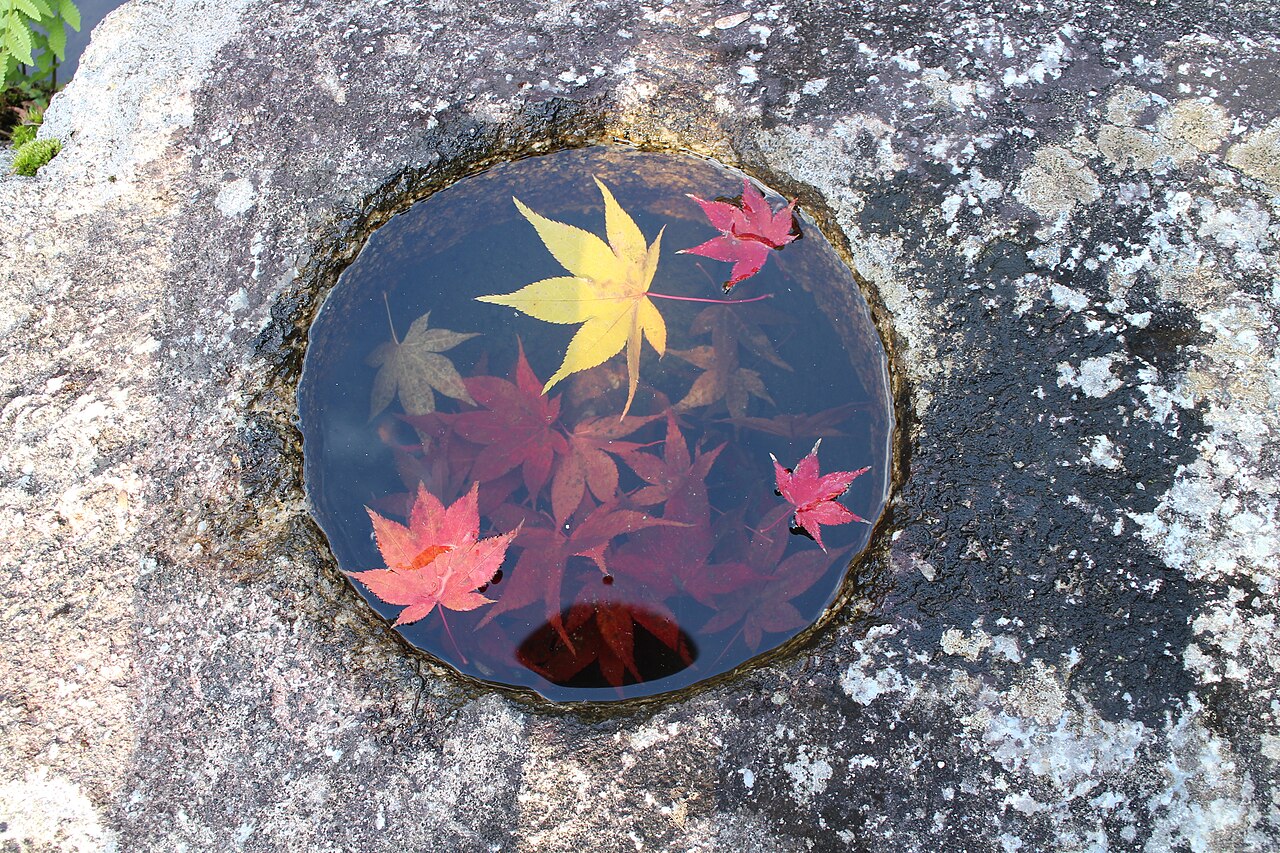

Popular Kyoto temples get busy in the peak weeks, so go early in the day.
Winter: December to February
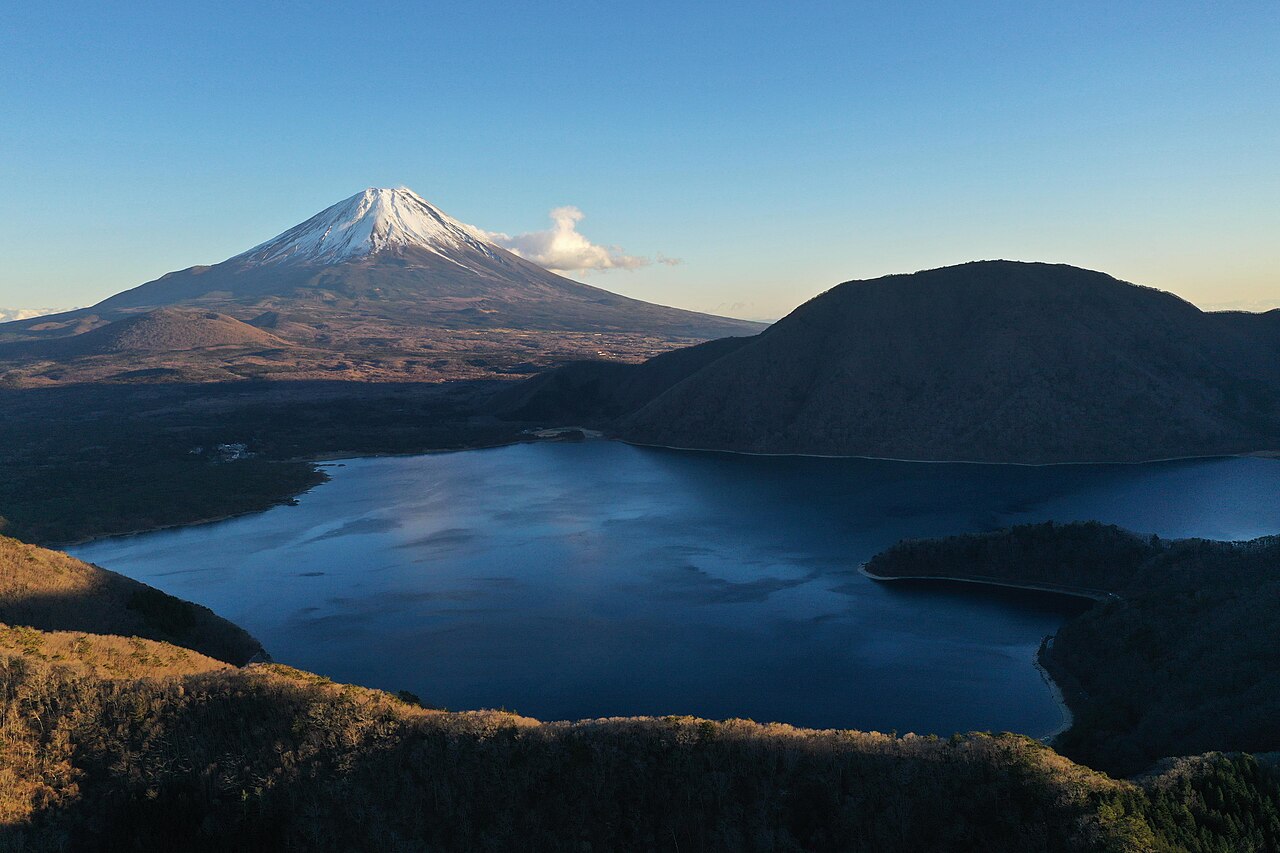
Big cities are quiet and often sunny, while northern and mountain regions get heavy snow, making winter the season for skiing and outdoor hot springs. The Sapporo Snow Festival is held in early February, and mountain roads and trains in snowy areas can be delayed by weather, so add buffer days. Pack warm layers, because indoor spaces are heated but streets and platforms can be cold.

How to Choose
If you want blossoms and accept crowds, go in late March or early April. For comfortable weather and color, choose October or early November. For snow and lower prices, pick January or February. Whatever you pick, avoid combining a tight itinerary with a holiday week, since the biggest problems for visitors are full trains and hotels, not weather.
Pinch Points to Plan Around
- Golden Week: a cluster of national holidays from late April into early May. Trains, hotels and sights are packed, and prices rise.
- Obon: around mid August, when many people travel to their home towns and transport and lodging are busy.
- New Year: roughly December 29 to January 3, when many shops and restaurants close for several days.
- Blossom and leaf peaks: these move by region and year, so build in flexibility.
Many travelers combine the main cities with extra days elsewhere, and our look at Japan travel packages can help structure that. The flight is long, so our tips to beat jet lag make the first days easier.
Frequently Asked Questions
What is the cheapest time to visit Japan?
Early summer during the rainy season and the colder weeks of January and February tend to be cheaper, outside the New Year holiday. Prices vary by city and year.
When is the cherry blossom season?
Usually late March to early April in Tokyo, Kyoto and Osaka, and later as you go north. Peak bloom changes each year, so check a current forecast.
Is summer a bad time to visit Japan?
It is hot and humid, but it is a good time for festivals, fireworks, mountain hiking and beaches if you plan for the heat.