
What makes a destination good for a weekend with children
A successful weekend trip with kids usually comes down to simple logistics. The journey from your front door to the destination should take under three hours. A long trip eats into an already short break and leaves everyone tired before the fun starts. Once you arrive, a compact town or a resort where the main sights, playgrounds and cafes sit within a 15-minute walk means you skip constant packing and unpacking of the car or navigating public transport with a stroller.
A good family destination does not need a long list of sights. Two or three solid activities, a zoo, a hands-on museum, a gentle hike or a safe swimming spot, are enough when you leave room for unplanned stops at a park or an ice-cream stand. The practical details matter just as much: reliable places to eat that will not make you wait 40 minutes for a meal, and a quiet spot to retreat to when a younger child needs a midday nap.
- Door-to-door travel time under three hours by your chosen transport
- Compact layout where most activities sit within walking distance
- Two or three child-friendly activities rather than a packed schedule
- Easy access to casual restaurants and grocery shops
- A quiet place nearby for midday rest or an early bedtime
Which cities work well for a two-day family trip

A compact city where the main sights sit close together spares you long transfers with tired children. Look for a pedestrian-friendly centre, at least one large park or playground, and a couple of indoor attractions in case of rain. A journey of two to three hours each way leaves enough of the weekend to explore without rushing.
These cities are reachable within a few hours from major hubs and work well for a short family break.
- Lviv. The cobbled old town is mostly traffic-free and easy to walk with a stroller. Kids enjoy the chocolate workshop at the Lviv Chocolate Factory, the open-air tram rides, and Stryiskyi Park with its small lake and swans.
- Copenhagen. Tivoli Gardens mixes rides, gardens, and evening lights right in the centre. The Experimentarium science museum and the Blue Planet aquarium are both indoors, and the harbour bus is a cheap way to see the city from the water.
- Krakow. The Main Square and Wawel Hill are flat and pram-friendly. The dragon statue by the river breathes fire every few minutes, and the nearby Park Jordana has a large playground and plenty of shade.
- Vienna. The Prater park combines a classic amusement park with wide green lawns. The Haus des Meeres aquarium inside a flak tower fascinates older kids, while the Zoom children’s museum has hands-on exhibits by age group.
- Tallinn. The medieval Old Town is compact and car-free in many parts. The Seaplane Harbour museum lets children climb into a submarine and try flight simulators, and Kadriorg Park has a playground and a shallow splash pool in summer.
Book a place in the city centre so you can pop back for a nap or a snack without a bus ride. In each of these cities a relaxed two-day itinerary is possible with one main activity in the morning and a park or playground stop in the afternoon.
What nature spots are suitable for a short family break
A short family break in the countryside works when the activities are gentle and the logistics simple. Look for places where a flat walking trail, a shallow lake shore, and a playground sit within a 15-minute stroll of each other. National parks with dedicated family zones and country farms with open-access animal pens remove the pressure of keeping children entertained on a tight schedule.
Farm stays are a reliable choice because the entertainment comes with the setting. Children can help feed lambs, collect eggs, or watch cows being milked, often with a staff member guiding the activity. Many working farms also have a small playground and sell simple meals made from their own produce, so you avoid the evening scramble to find a restaurant that welcomes tired toddlers.
- National parks with paved pram-friendly paths and a visitor centre that runs short ranger-led nature walks.
- Lake districts where you can rent a rowboat for an hour, then let the kids paddle at a designated shallow beach.
- Farm stays that offer daily animal feeding sessions and have a secure garden with swings and a sandpit.
- River valleys with a marked family cycling route and a picnic area next to a natural paddling stream.
- Forest cabins near an adventure playground with low ropes courses and simple orienteering trails for young children.
- Hill country cottages on a working sheep farm, where the owner leaves out a box of wellies in children's sizes and a map of the gentlest loop walk.
Book a spot that gives you a dry indoor space to retreat to, a farmhouse kitchen or a cabin with a covered porch, because a sudden downpour can cut a countryside afternoon short. The best family nature breaks are the ones where you spend as little time in the car as possible once you arrive.
How to choose between a train, car, or bus trip with kids

The best transport for a weekend trip with children comes down to distance, your packing list, and how your kids handle travel. A car gives you door-to-door ease and space for bulky gear like a stroller or travel cot. You set the departure time and can stop whenever someone needs a snack or a bathroom break, which reduces stress on short 2-4 hour drives.
A train wins on comfort for routes of three hours or more. Kids can move around, use a proper toilet, and watch the scenery without being strapped in the whole time. You avoid traffic jams and parking costs, but you trade away flexibility: you are tied to a timetable and must carry everything you pack from the platform to your accommodation. Buses are often the cheapest option and serve routes trains do not cover, yet legroom is tight, bathrooms are rare, and motion sickness can hit harder on winding roads.
- A car lets you pack a stroller, travel cot, and extra snacks without worrying about luggage limits or carrying it all at once.
- Trains offer space to walk, a dining car or snack trolley, and no need to stop for fuel or rest areas.
- Buses work best for direct connections under two hours when train service is unavailable and you travel light.
- Check whether your train or bus has a dedicated family compartment or a changing table before booking.
- If your child gets carsick, a train is the safer bet; if they struggle with noise and crowds, a car gives you a quiet, private space.
- Factor in door-to-door time, not just the scheduled trip: driving means parking and possibly traffic, while trains and buses add transfers from the station to your lodging.
For most families on a two-day trip, a car or a direct train makes more sense than a bus. The car suits heavy packers and rural destinations, while a train keeps the journey part of the adventure when heading to a city where parking is a headache.
What to look for in family-friendly accommodation

Booking a place that works for everyone means looking past the star rating and checking a few practical points. The right setup can turn a cramped weekend into a relaxed break, so filter your search for features that solve real problems with small children.
- A kitchenette or at least a fridge and microwave lets you prepare simple meals and store snacks, which avoids hunting for a restaurant when a child is tired or hungry at an odd hour.
- A separate sleeping area, even a curtained alcove, means you do not have to sit in the dark after the kids’ bedtime. Apartments and family suites almost always offer more flexibility than a standard hotel room.
- An on-site playground or a secure garden gives children a place to burn off energy while you unpack or have a coffee. City hotels rarely have this, so it is a feature worth seeking in suburban or rural stays.
- A flexible cancellation policy matters more with children than on a solo trip. Sudden fevers or bad weather can derail plans, so book a rate that allows changes up to 24 hours before arrival when possible.
- A washing machine is useful for longer weekends, but even on a short trip it saves you from packing three changes of clothes per day for a toddler who finds every puddle.
Read recent reviews from other families rather than relying on the host’s description. Guests will mention whether the promised cot actually appeared, how soundproof the walls are, and if the stairs are safe for a crawling baby.
How to pack light but still cover the essentials
Packing for a short trip with children is about anticipating meltdowns, not hypothetical weather. A single soft bag per person, carried by its owner, forces you to edit ruthlessly. Stick to a simple framework so you spend minutes, not hours, filling those bags.
The core idea is layers, snacks, a tiny medical pouch, and one familiar anchor for bedtime. The rest is optional.
- Clothes in layers: pack two tops, one warm mid-layer, and a single pair of trousers per child. Merino wool or a quick-dry blend can be worn twice without smelling, so you skip the spare outfit for a two-day trip.
- Snacks that do not melt or crush: oat bars, dried apple rings, rice cakes. Divide them into small zip bags and hand one out per hour, not per request, to keep the rhythm predictable.
- A pared-down first-aid kit: two plasters, antiseptic wipes, children’s paracetamol, and any prescription medication. Decant liquids into tiny travel bottles and label them with the dose.
- One comfort item per child: a familiar soft toy, a small blanket, or a well-worn book. The rule is one item that fits in the child’s own hand, so it does not become your cargo.
Wear the bulkiest shoes and jackets on the journey. If the hotel has a hairdryer, leave yours at home; a child’s damp hair dries in ten minutes anyway. The goal is to walk out the door carrying only what keeps everyone calm and fed for 48 hours.
Frequently asked questions
What is a realistic travel time for a weekend trip with a toddler?
Aim for a door-to-door journey of two to three hours. Longer trips can work if you schedule a stop for a meal and a run around, but a shorter transfer leaves more energy for the destination itself.
Should we stick to a strict schedule or leave room for spontaneity?
A loose framework with one main activity per half-day works best. Book the one thing that requires a ticket in advance and leave the rest flexible so you can adjust to moods and weather.
How do we handle meals when eating out with picky eaters?
Pick accommodation with at least a small kitchenette so you can prepare a familiar breakfast. For lunch and dinner, look for casual places with a children's menu or a buffet, and carry a few trusted snacks as backup.
Is it better to book a hotel or a rental apartment?
A rental apartment or an aparthotel usually gives you more space, a separate sleeping area, and a kitchen. A hotel can be simpler if you value services like breakfast and daily cleaning and only need one room.
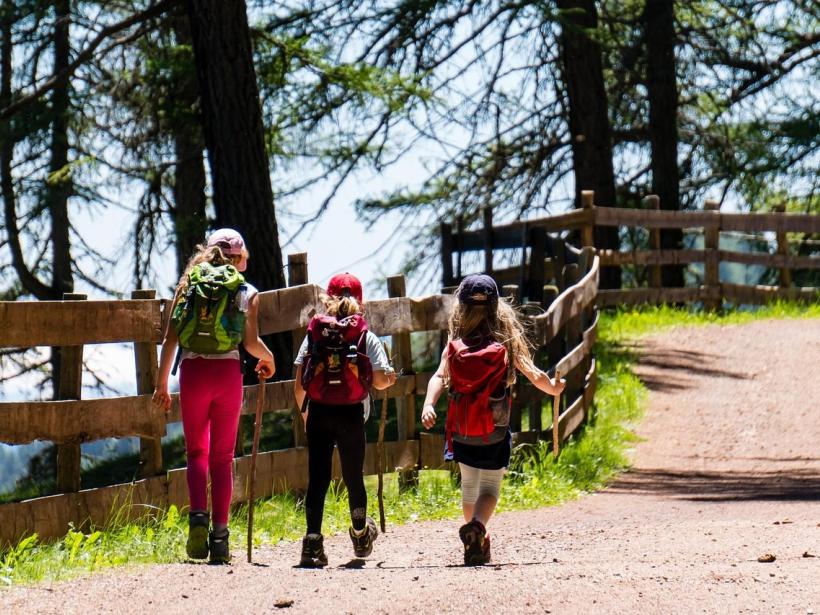
Photo: MaBraS, Pixabay (Pixabay Content License)