
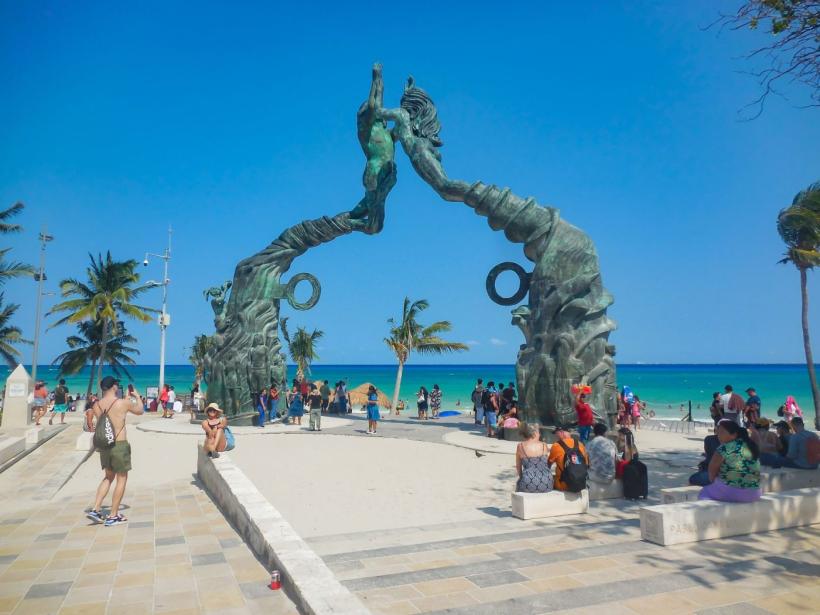
What do official travel advisories say about Playa del Carmen in 2025?
Playa del Carmen sits within Mexico's Quintana Roo state, which most governments place under an "exercise increased caution" advisory. The US State Department updated its Mexico advisory in June 2025 and keeps Quintana Roo at Level 2, the same category as France or the United Kingdom. The notice says tourist areas like the Riviera Maya are lower risk than other parts of the country, but it warns of occasional violent incidents between criminal groups that can catch bystanders.
The UK Foreign Office (FCDO) reviewed its Mexico guidance in May 2025 and does not advise against travel to Quintana Roo's coastal resorts. It asks travellers to remain aware of their surroundings, particularly after dark and in areas away from the main hotel zone. The Australian government's Smartraveller service, updated in April 2025, mirrors this stance and adds a practical note about sticking to well lit streets and registered transport.
All three advisories highlight the same pattern: the risk to tourists is not from targeted attacks but from being in the wrong place at the wrong time. No advisory currently tells you to cancel a trip to Playa del Carmen. All sources agree: a beach holiday here is reasonable if you take the same precautions you would in any busy resort town.
Which parts of Playa del Carmen are safest for tourists?
The core tourist district, centred on Quinta Avenida and the beachfront from Calle 10 up to Calle 46, is the most heavily policed and well-lit part of town. You will see a visible municipal police presence here throughout the day and evening. The gated resort communities of Playacar Fase 1 and Playacar Fase 2, just south of the ferry pier, add an extra layer of private security and controlled access, so they are a quiet choice for families.
Daytime exploration is straightforward in most central neighbourhoods, including Colonia Centro and the streets immediately west of Highway 307. After dark the picture shifts. The area west of 30th Avenue, particularly Colonia Ejidal and Colonia Colosio, has less consistent street lighting and fewer patrols. These are residential zones where walking alone late at night is best avoided.
- Quinta Avenida and the adjoining beach blocks stay busy with tourists until late, and the constant foot traffic is a natural safety net.
- Playacar is a master-planned resort enclave with a single guarded entrance, so random street crime is rare inside its gates.
- Colonia Centro between 10th and 46th Avenues, east of Highway 307, is well served by restaurants and shops and feels safe on foot during the day.
- West of 30th Avenue the streets become darker and quieter at night, so take a taxi rather than walking if you are heading back to a rental there.
- Beach clubs and public access points north of Calle 48 are fine by day but largely empty after sunset, so stick to the Quinta Avenida strip for evening strolls.
Is it safe to walk around Playa del Carmen at night?
Walking along Quinta Avenida and the blocks immediately around it is generally safe until about 10 or 11 p.m. The pedestrian street stays busy with families, couples and groups of friends, and the restaurant and bar terraces keep the area well-lit and lively. You will see a visible police presence on weekends and during high season. Stick to this core zone after dark and you are unlikely to run into trouble.
Side streets are a different story. One block west of Quinta Avenida, past Calle 10 or Avenida 20, the lighting drops off quickly and the foot traffic thins out. Do not walk alone there after midnight, even on a short cut to your rental. The same applies to the northern end of the beach past the ferry pier, which gets very quiet once the day crowd leaves. If your hotel or Airbnb sits outside the tourist strip, take a taxi or a verified ride-share back after dinner rather than walking.
A few habits make evenings safer and easier. Walk with at least one other person when you head away from the main drag. Keep your phone in your pocket and avoid wearing expensive jewellery that catches attention. Know your route before you set out, because stopping to check a map on a dark corner signals that you are lost. Most visitors who follow these rules spend weeks in Playa del Carmen without any trouble.
How safe are taxis, colectivos, and rental cars in the Riviera Maya?
Taxis in Playa del Carmen are not metered, so you agree on the fare before getting in. Licensed sitio taxis from an official rank are the safest choice. Unlicensed street taxis carry a higher risk of overcharging and, occasionally, card skimming, so stick to the white taxis with a visible medallion and a roof sign.
Colectivos are shared vans that run along Highway 307 between Cancún, Playa del Carmen and Tulum. They are cheap and heavily used, but driving standards can be aggressive and the vans are often overcrowded. The UK FCDO warns that serious crashes involving buses and colectivos are common on this stretch. If you take one, keep your bag on your lap and avoid night journeys when driver fatigue is more likely.
Renting a car gives you freedom, but you need to know a few local rules. Police checkpoints are routine on Highway 307 and near hotel zones. Officers may stop you for a document check, and your home driving licence is technically valid, though an International Driving Permit makes the interaction smoother. The US State Department notes that some officers have requested cash payments, so know that you can politely ask for the ticket and pay it at the station.
- Only use sitios or a ride-hailing app where available, and agree on the fare upfront before stepping into a street taxi.
- On a colectivo, sit near the front, keep valuables hidden, and avoid travelling after dark on Highway 307.
- When renting a car, take clear photos of every scratch during the walk-around and verify that full insurance is included, not just the basic liability.
- At a police checkpoint, keep your hands visible, remain calm, and ask for a written ticket if a fine is mentioned.
- Avoid driving at night outside town, because Highway 307 has unlit sections, potholes and the occasional animal on the road.
What about scams, petty crime, and beach safety?
Petty theft and opportunistic scams happen in Playa del Carmen as they do in any busy tourist town, but violent crime against visitors is rare. The most common nuisance is the "free" tequila tasting or timeshare presentation where you are pressured into paying for something you did not want. Another trick involves someone offering unsolicited help at an ATM, then memorising your PIN or swapping your card.
Use ATMs inside banks or large supermarkets during daylight hours and check the card slot for anything loose before you insert your card. Cover the keypad with your other hand and put the cash away before you leave the machine. Paying with a card inside a restaurant or shop is safer than pulling out a thick stack of pesos on the street.
Sargassum seaweed piles up on Playa del Carmen beaches from April through October. It is not dangerous to touch, but it smells unpleasant as it decays and can make swimming unappealing. Rip currents are a more serious concern, especially along the open stretches north of the ferry pier. Lifeguards are not present on most beaches, so you need to judge the risks yourself:
- Ask your hotel or a local which beaches are safest for swimming on that particular day.
- Watch the water for a few minutes before you enter and look for a channel of churning, discoloured water moving away from shore.
- If you get caught in a rip current, do not fight it. Swim parallel to the beach until you are out of the pull, then head back at an angle.
- Do not swim alone or after drinking, even if the sea looks calm.
- Keep a close eye on children, as a rip can form quickly after a wave set.
- Check the coloured warning flags if they are displayed, though many beaches do not use them.
How does safety in Playa del Carmen compare to Cancún or Tulum?
Playa del Carmen sits between Cancún and Tulum in both geography and risk profile. The Quintana Roo state prosecutor’s office publishes crime figures by municipality, and Solidaridad, which covers Playa del Carmen, consistently reports fewer violent incidents than Benito Juárez (Cancún) but more than Tulum. UK FCDO and US State Department advisories apply the same caution level to all three, with no extra restrictions for any of them as of mid-2025.
The town centres feel quite different. Cancún’s Hotel Zone is a sealed resort strip where you notice little beyond the beach and the boulevard, while downtown Cancún is a working Mexican city with pockets you would not wander into at night. Playa del Carmen’s tourist core runs from the ferry pier up to about Calle 40, and most visitors never leave that walkable grid. Tulum splits into the beach zone, where prices and police presence are high, and the pueblo, which is rougher around the edges and where most reported thefts happen.
Traveller fit matters. Cancún suits people who want a resort buffer and do not plan to leave the property much. Playa del Carmen works for independent travellers who like walking to dinner and catching a colectivo to a cenote. Tulum appeals to those who will pay for a beach club bubble and accept a longer taxi ride to everything else. None of the three is inherently unsafe, but the environment you choose shapes the risks you face.
Simple precautions that make a real difference
Most incidents that affect visitors are opportunistic, not targeted. A few habits lower your risk noticeably without making you feel hemmed in. You want to enjoy the town, not move through it on high alert.
Phone snatching is the most common petty crime tourists report. Avoid holding your phone in your hand while standing near a kerb or a road, especially on Fifth Avenue. Pull it out inside a shop or a restaurant, not while you are walking. Scooter thieves look for an easy grab, and a phone held loosely in one hand is exactly that.
Watch your drink in bars and clubs. Stick to bottled or canned drinks that you see opened in front of you, and do not leave your drink unattended. A few bars on Tenth Avenue have had reports of spiked drinks, though the number is small. If you go out alone, tell someone at your accommodation where you are heading and roughly when you expect to be back.
- Keep your phone out of sight when walking near a road, and use a cross-body bag with a zip rather than a backpack on one shoulder.
- Withdraw cash only from ATMs inside banks or busy shopping centres during daylight hours, and put the money away before you leave the machine.
- Carry a photocopy of your passport and leave the original in the hotel safe; a photo on your phone works for most casual ID checks.
- If a stranger offers unsolicited help with bags, directions, or a taxi, a firm “no, gracias” and keep walking is enough.
- Pre-book airport transfers through your accommodation or a licensed provider rather than hailing a taxi outside the terminal.
Frequently asked questions
Is Playa del Carmen safe for solo female travellers?
Yes, many women travel solo here without problems. Stay in the central tourist zone, avoid walking alone on quiet streets late at night, and use official taxi stands or ride-hailing apps where available. The same precautions you would take in any busy beach town apply.
Can I drink the tap water in Playa del Carmen?
No. Tap water in Playa del Carmen is not safe to drink. Stick to bottled or filtered water, and check that ice in drinks comes from purified sources, which most reputable bars and restaurants provide.
Are there cartel-related risks for tourists?
Incidents involving tourists are rare and the Mexican government maintains a visible security presence in the Riviera Maya. Official advisories note that most violence occurs away from tourist zones, but you should avoid any area where you see a heavy, unexpected police or military deployment and follow local news while you are there.
Is it safe to use ATMs in Playa del Carmen?
Yes, if you choose machines inside banks or hotel lobbies rather than standalone street ATMs. Check for skimming devices, cover your PIN, and decline the on-screen currency conversion offer to get a better exchange rate from your own bank.
Photo: Blanca Isela, Pexels (Pexels License)