
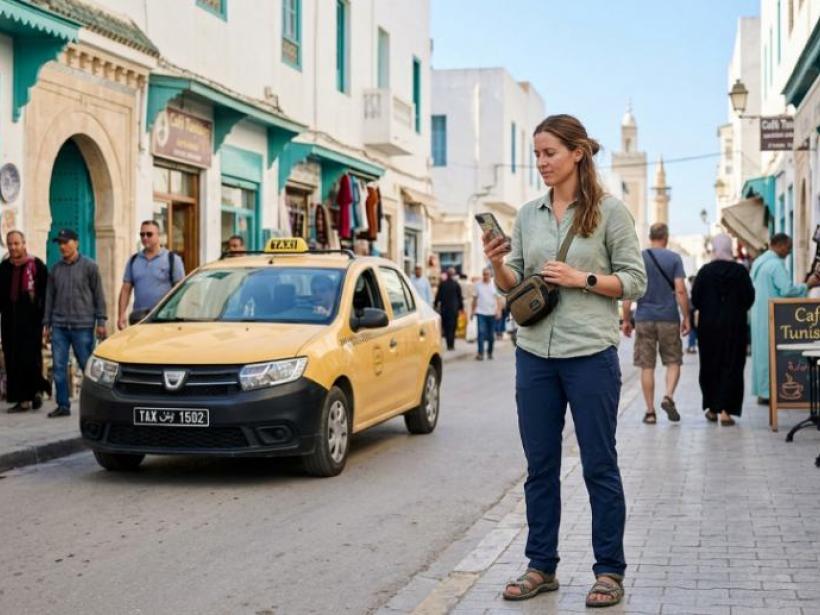

For most American travelers, yes. The US rates Tunisia Level 2, "exercise increased caution," and warns against only a handful of border and mountain areas. The risks you're most likely to face are pickpockets, inflated taxi fares, and the occasional protest in Tunis.
Key takeaways
- The US advisory is Level 2, issued on May 21, 2026.
- The areas to avoid are near the Algerian and Libyan borders, plus a few western mountains and the far southern desert.
- Tunis, Sousse, Hammamet, and Monastir are not on the US or UK list of areas to avoid.
- Americans don't need a visa for stays of 90 days or less.
- Most US health plans don't cover you abroad, so buy travel medical insurance.
Is it safe to travel to Tunisia right now?
Nothing in 2026 has changed the basic picture. The US advisory stays at Level 2, with terrorism, crime, and unrest as the reasons. The update in May 2026 didn't move the level. It added "Crime" and "Unrest" as labels.
The UK takes a similar line. It advises against travel to parts of Tunisia, not the whole country.
Plenty of people are going anyway. Tunisia passed 11 million visitors in 2025, the first time it has reached that number. The 2024 estimate was 10.26 million, so growth was at least 7% ((11 − 10.26) ÷ 10.26 ≈ 0.072).
High visitor numbers don't make a place safe, of course. Advisories can change quickly, so check again the week you fly.
Which parts of Tunisia should you avoid?
Stick to the coast or Tunis and you won't go near any of them. The areas to avoid are land near the Algerian and Libyan borders, some mountains in the west, and the desert in the far south.
The US and UK lists overlap, but the UK's covers more ground:
| Area | US advice | UK advice |
|---|---|---|
| Algerian border | Do not travel within 16 km (10 miles), except Tabarka and Ain Draham | Various areas within 10–20 km, depending on region |
| Libyan border | Do not travel within 16 km (10 miles) | Avoid all travel within 20 km; all but essential travel within 75 km, with exceptions |
| Chaambi, Salloum, Sammamma, and Mghila mountains | Do not travel | Avoid all travel |
| Mount Orbata (Gafsa) | Do not travel | All but essential travel |
| Kasserine Governorate, including Sbeitla | Only the named mountains | All but essential travel to the whole governorate |
| Desert south of Remada | Do not travel (military zone) | Avoid the militarized zone south of El Borma and Dhehiba |
Sbeitla is the one to watch. Its Roman ruins show up on some tour itineraries. The US only flags specific mountains nearby, but the UK flags the whole governorate. Put an American and a Brit on the same tour bus and their governments are telling them different things. If your tour stops there, it's worth asking the operator about security.
The reason for these zones is next door. Trouble in Libya and Algeria has raised the risk of attacks near the borders, and there is a kidnapping risk in those areas.
How big is the terrorism risk for tourists?
It exists, and it isn't confined to the borders. Terrorist groups are still planning attacks and could strike without warning. A nationwide state of emergency gives the security forces wider powers.
One of the most recent attacks involving visitors happened in Djerba. On May 9, 2023, a national guardsman killed five people at the El Ghriba Synagogue during the annual Jewish pilgrimage. Two were pilgrims and three were security officers.
An attack in tourist areas can't be ruled out. Still, for a typical beach or city trip, the everyday risks below are the ones worth planning for.
What problems do tourists actually run into?
Here's a common first-day scenario (a hypothetical example). You land in Tunis, grab a cab outside the airport, and the driver quotes three times the normal fare.
Most crimes against foreigners are opportunistic: purse snatching and pickpocketing. Violent crime does happen, mostly after dark. Pickpockets work crowded markets, and bag snatching happens in tourist spots.
Overcharging is the complaint that keeps coming up. Travelers report being overcharged by taxi drivers, café owners, and self-appointed guides in places like Sousse, Sidi Bou Said, and the Tunis medina. Agreeing on a price before you start costs nothing.
Taxis need a bit of planning. Uber, Lyft, and Bolt don't operate in Tunisia, and InDrive is cash only. Use a taxi booked by your hotel or a known company. Agree on the fare, or insist on the meter, before you get in.
Is it safe to travel to Tunisia on vacation at a resort?
A beach resort vacation is the lowest-risk way to see the country. Sousse, Hammamet, and Monastir are all outside the areas to avoid, and the hotel usually handles your airport transfers.
Tunisia is a mainstream package destination for Europeans, especially the British, and the big European tour operators all sell trips there. Traveler reports are mostly positive, including from parents visiting with kids.
That matches the official advice. The catch with staying at the resort is that you see very little of Tunisia. For day trips, normal big-city caution covers most situations.
When and where do protests happen?
Central Tunis is where they mostly happen, and some have turned violent. If you see a crowd gathering, head the other way.
Protests are most common on weekends and in January, and Friday afternoons downtown can be busy too. If you're in Tunis on a weekend, be careful around Avenue Habib Bourguiba and the embassies, including the US Embassy area. Spontaneous protests there have become more frequent since October 2023.
Who needs to take extra care?
General travel guides often skip these groups. If you're in one of them, read the full US advisory before you go.
Women traveling alone
Harassment is more likely than danger. Women often face verbal harassment from people on the street and in passing cars. There have also been more reports of harassment and assault in Tunis's expat community, some in dark or quiet places near beaches and parks. Taking hotel-booked taxis at night and staying on busy, well-lit streets helps a lot.
LGBTQ travelers
Same-sex relationships are illegal in Tunisia, with prison sentences of up to three years. LGBTQ travelers do visit, but public affection carries a real legal risk.
Parents traveling with children
This is the one that surprises families at the airport. If one parent travels alone with a child, you need a notarized consent letter from the other parent, or proof of sole custody. Bring a copy of each child's birth certificate as well, and sort out the paperwork weeks in advance.
Americans with Middle Eastern roots or Tunisian citizenship
US citizens born in the Middle East or with Arabic names may face delays at immigration. Dual US-Tunisian citizens are expected to enter and leave on their Tunisian passport.
Getting around: taxis, driving, and the desert
Driving is where many visitors take their biggest everyday risk. Avoid driving at night outside Tunis and the main resorts, and on country roads. Traffic rules are often ignored, and animals and unlit mopeds share the road.
Public transportation has a poor safety record. Trains, buses, and louages (shared minibuses) are often overcrowded and badly maintained, and crime is more likely on them. Whether you use them is your call, but know the risks first.
The Sahara is open to visitors. You don't need special permission to travel as far south as Remada, and the National Guard asks you to register desert trips in advance. Local tour operators can do this for you. Beyond Remada is a military zone.
Rules and health issues that catch visitors out
The small rules cause more problems than the big threats. These are the ones to know before you pack:
- Entry: no visa needed for stays of 90 days or less. Your passport needs six months' validity beyond your arrival date.
- Tap water: not safe to drink in many areas. Stick to sealed bottles.
- Drones: you can't bring one in without prior government permission.
- Photos: don't photograph police, military, or government buildings.
- Alcohol: drinking in the street is illegal everywhere.
- Cash: you can't take Tunisian dinars out of the country, so spend or exchange them before you leave. ATMs may limit withdrawals to about $100 per transaction.
- Medical care: most US health plans, including Medicare, don't cover you abroad, and many hospitals want cash up front. Ambulances are unreliable outside Tunis, Sfax, Sousse, and Monastir. Get insurance that covers medical evacuation.
- Emergency numbers: dial 197 for police and 190 for an ambulance.
FAQ
Is Sousse safe for tourists?
Sousse isn't on the US or UK list of areas to avoid. The usual problems are pickpocketing and overcharging, so agree on prices first and keep your bag close in the medina.
Is Djerba safe to visit?
Neither the US nor the UK names Djerba as an area to avoid. It was the site of the 2023 synagogue attack, so check the latest advice if you plan to go during the pilgrimage.
Do Americans need a visa for Tunisia?
No, not for stays of 90 days or less. You do need a passport that's valid for at least six months beyond your arrival date.
Is it safe to travel to Tunisia right now if I'm staying in Tunis?
For most visitors, yes, with care. The main extra risk in the capital is protests, so avoid crowds downtown, especially on weekends.
Whether it's safe to travel to Tunisia depends on where you're going and who you are. A family on a Hammamet package and a solo traveler heading inland to Kasserine are dealing with very different advice. Compare your plans with the areas above before you book.
Enroll in the Smart Traveler Enrollment Program (STEP) before you go. It's free, and the US Embassy in Tunis can reach you with alerts if anything changes. You'll hear about it before it has a chance to make the news.