
What does a family-friendly hotel actually offer?
A genuinely family-friendly hotel does more than let children onto the property. It designs its spaces, services and daily rhythm around the practical needs of parents and the safety of younger guests. You spot the difference in the details that remove daily friction: a shallow wading pool kept at a warmer temperature, high chairs that are already at the table when you sit down and restaurant hours that start early enough for a toddler's dinner.
These core amenities set a resort built for families apart from a regular hotel that simply tolerates them:
- A dedicated kids' menu with simple, recognisable food, not just smaller portions of the adult dishes, and the flexibility to serve it at non-standard meal times.
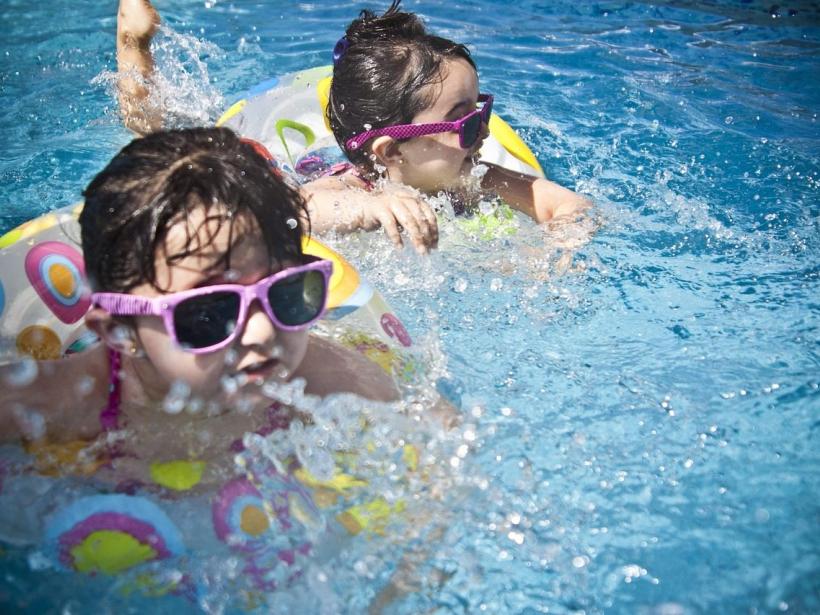
- A separate shallow pool or splash pad with a maximum depth of 30-50 cm, nonslip surfaces and shaded areas for the midday hours.
- An enclosed playground or garden with equipment rated for young children, visible from the restaurant terrace or pool loungers so you can keep an eye on them without hovering.
- Connecting rooms or family suites with a real door between sleeping areas, blackout curtains and enough floor space for a travel cot without blocking the walkway.
- On-site laundry facilities or a same-day laundry service, because packing for every spill is not practical on a week-long trip.
- Stroller-friendly paths, ramps and ground-floor access to the main facilities, so you are not hauling a pushchair up staircases multiple times a day.
A property that invests in these features has already sorted the logistics of a family stay. When you start your search, filter for these specifics in the hotel's own description rather than relying on a generic "families welcome" tag, which often means little more than an extra bed can be wheeled into a standard double room.
How do you check if the kids' club and activities are worth it?

A well-run kids' club groups children by age, typically splitting toddlers (3-4 years), younger kids (5-7) and older ones (8-12) into separate spaces and programs. Activities that mix a wide age range, such as 4 to 12, often leave the youngest overwhelmed and the oldest bored. Ask the hotel for a copy of a recent weekly schedule before you book. A credible program lists specific sessions like nature crafts, beginner swimming games or simple cooking projects, not vague labels such as "fun time" or "indoor play."
Staff qualifications matter more than the number of activities listed. Look for programs where the lead caregivers hold a recognized childcare qualification, pediatric first-aid certification or a teaching background. Ask if the hotel can name the provider they work with. Check the child-to-staff ratio. A ratio of one adult to six children is common for the 4-7 age group, while toddlers need closer to one to four. Drop-in sessions that run from mid-morning into the early afternoon, with a clear sign-in and sign-out procedure, give you a usable block of time while keeping the day predictable for a young child.
- Request a sample daily schedule from the last full week of operation.
- Confirm the minimum and maximum ages accepted and whether groups are split by developmental stage.
- Ask which qualifications the supervising staff hold and who provides the program.
- Check the stated child-to-staff ratio for your child's age bracket.
- Verify the operating hours and whether a parent must stay on the property.
- Read recent parent reviews that mention the club by name, not just the hotel overall.
What makes a beach safe for children?
A safe family beach starts with a gentle slope into the water so a child can wade in without suddenly dropping into deep water. Check this before you arrive by looking at unfiltered traveler photos on Google Maps or hotel review platforms, where you often see the shoreline at different tides. Official Blue Flag beaches are a reliable shortcut: the certification requires regular water-quality testing and lifeguard presence during peak hours.
Shade is another practical detail easy to overlook until you are standing on hot sand at noon. Look for hotels that show permanent umbrellas, palm-thatch palapas, or a tree line right behind the beach in their own photos, not just stock images. Fine, packed sand is easier for small children to walk and play on than coarse pebbles or sharp shells, and you can gauge this by searching recent guest videos tagged with the hotel location.
- Verify the beach has a gentle entry by watching guest videos that show the shoreline, not just hotel marketing clips.
- Confirm lifeguard hours and whether they are present year-round or only in high season through the official Blue Flag website or the hotel directly.
- Check satellite images and recent photos for natural or built shade like trees, palapas, or fixed umbrellas close to the water.
- Read reviews from parents of toddlers who mention sand texture, because coarse sand or pebbles make crawling and early walking harder.
- Ask the hotel what the first aid setup is on the beach, specifically whether they keep a kit for jellyfish stings or minor cuts.
- Look for a designated shallow swimming zone roped off from boats and jet skis, which some resorts mark clearly in their beach maps.
How do you read parent reviews to spot hidden problems?

A hotel with a 4.5-star rating can still be a poor fit for a family. Ignore the overall score and search reviews for specific keywords that matter to parents. Filter for terms like “stroller,” “noise,” “kids’ menu,” and “high chair” on booking platforms or travel forums. The absence of these words in dozens of reviews is often a stronger warning than a single complaint.
Look for descriptions of how staff interact with children, not just whether they are friendly. A reviewer who mentions a waiter remembering a child’s allergy or bringing crayons to the table tells you more than generic praise. Scan for practical details: do parents mention thin walls and hallway noise at bedtime? Is the path to the pool described as paved and stroller-accessible, or are there steps and gravel? Check if the complimentary kids’ menu rotates daily or repeats the same three fried items all week.
Sort reviews by most recent and filter for families with children the same age as yours. A resort that works well with a seven-year-old in a kids’ club can be useless for a toddler who needs a shaded wading pool and a quiet room by 1 p.m. Pay attention to repeated phrases across multiple reviews. If three different parents mention that the promised baby cot never arrived, or that the dining room lacks space to maneuver a stroller between tables, treat those as confirmed facts, not isolated incidents.
What should you ask a pediatrician before booking?

A quick visit to your pediatrician can catch risks that hotel brochures never mention. The doctor knows your child’s medical history, so they can give tailored advice that generic travel tips miss.
Schedule the appointment at least four to six weeks before departure. That gives enough time for any vaccines to take effect and for you to fill prescriptions you might need abroad.
Bring the hotel name and the specific region to the appointment. These questions give the doctor the details they need for a useful conversation:
- Is the local water safe for my child to drink, and should I also avoid ice and raw produce washed in tap water?
- Does my child need any routine or travel-specific vaccinations for this destination, and what is the minimum time they need to work?
- Given my child’s skin type and age, what SPF level and sun exposure schedule do you recommend at this latitude and season?
- What should I pack for common childhood illnesses at this destination, like stomach bugs or ear pain from swimming?
- How should I adjust my child’s sleep and feeding schedule across this time zone difference during the first three days?
- Is there any reason my child should avoid the hotel pool, splash pad or kids' club based on their health history?
How do you compare costs without sacrificing what matters?
Start by listing the three things your family cannot compromise on, such as a shaded pool, a kids' dinner buffet that opens at 5:30, or a room with a real door between sleeping areas. All-inclusive pricing often looks higher, but a self-catering apartment plus restaurant meals for four can easily cost more once you add drinks, snacks, and the ice creams a child asks for three times a day. Run a quick tally of what a typical day actually costs in each setup.
Free child places are common with tour operators, yet the real saving depends on whether the offer applies to your specific dates and room type, not just the flight seat. Ask if the free place covers meals and kids' club access or only the bed. A hotel that charges for a child but includes a properly staffed club, shaded play areas, and an early children's dinner can be better value than one with a free stay and nothing to do.
Extras worth paying for include a ground-floor room with direct garden access, a guaranteed cot that is a proper wooden crib rather than a folding travel one, and a kids' menu that lists actual vegetables instead of fried everything. Skip the premium family suites if you will only sleep there, and put the money toward a room closer to the pool so you avoid the daily trudge with armfuls of wet towels and a stroller.
Frequently asked questions
What is the most important amenity for a family hotel?
A kids' menu and flexible meal times often top the list. Hungry, tired children can derail a holiday fast, so check that the restaurant serves simple, familiar food and allows early dinners.
Are kids' clubs safe for toddlers?
Look for clubs that group children by age and employ staff with first-aid training. Call or email the hotel directly to ask about staff-to-child ratios and whether you can visit the club before enrolling your child.
How do I know if a beach is shallow enough for my child?
Search recent traveler photos and videos on social media rather than relying on hotel marketing. Look for images that show the waterline at different times of day and read comments about sudden drop-offs or strong currents.
Should I trust a hotel's 'family-friendly' label?
Treat the label as a starting point, not a guarantee. Cross-check it with reviews from other parents, a look at the hotel's own website for detailed family policies and a direct email asking about specific needs like cribs or high chairs.
Photo: Pexels, Pixabay (Pixabay Content License)