When are beach holidays cheapest?
Beach holidays cost least in the shoulder seasons, roughly four to six weeks before and after the high season. For the Mediterranean, that means late May to mid-June and September to early October: the sea is warm enough for swimming, hotels have empty rooms, and package prices often drop noticeably compared with July and August. For tropical destinations such as Thailand, the Maldives or the Red Sea resorts, the cheapest window usually falls in the rainy or very hot season, when demand from northern Europe dips.
Timing within the week matters too. Departing on a Tuesday or Wednesday rather than a Friday or Saturday can cut the total noticeably, because flights and transfers follow the same demand curve as hotels.
School holidays work in the opposite direction. Christmas, Easter and the July-August break push prices up sharply across every beach destination, and the peak dates around Easter can cost more than midsummer itself. If your dates are flexible, check two or three week-long windows on either side of a holiday period before booking; the difference often pays for a better hotel.
Which beach destinations cost least?

Turkey and Egypt usually come out cheapest for a beach week, followed by Tunisia and Bulgaria. Greece, Spain and Cyprus sit in the middle. Croatia, Italy and Portugal cost the most of the popular European options. The gap comes from flights, food and season length, not from the sea.
What a modest daily budget covers differs by region. In Turkey and Egypt it stretches to three meals out, local transport and a sunbed. In Greece and Spain it buys a room, breakfast and one proper dinner. In Croatia and Italy the same money covers the room and groceries, with eating out as an occasional treat.
- Turkey and Egypt: all-inclusive resorts, long seasons, frequent charter flights.
- Tunisia and Bulgaria: short transfers, low local prices, compact resort strips.
- Greece and Spain: island flights add cost, but tavernas and supermarkets stay reasonable.
- Cyprus and Malta: small islands, limited competition, higher food bills.
- Croatia, Italy and Portugal: peak-season rooms and restaurant meals drive the total up.
How do I compare two offers fairly?
Two packages with the same headline price can differ by a wide margin once you check what each one actually covers. Compare both offers against the same checklist, then add up the extras on the cheaper one. A "cheap" tour often stops being cheap once you add a baggage fee and a two-hour transfer.
- Check exactly what the price includes: flights, transfer, meals, and whether the transfer is shared or private.
- Look at transfer time from airport to hotel, not just distance. A ninety-minute ride eats a day of a short trip.
- Compare room types, not just hotel names. Standard room and sea-view room are different products at the same resort.
- Confirm baggage allowance and whether airport check-in is included or paid separately.
- Read the cancellation terms and what the medical insurance covers, including any deductible.
To compare like for like, add every likely extra to the base price of each offer: baggage, transfers not covered, meals the plan skips, and visa fees. Compare the final sums, and note the cancellation policy next to each one, since a flexible booking is worth more than a locked-in discount.
Where do real discounts come from?

A genuine discount comes from a seller who needs to fill a specific departure: unsold seats on a charter flight, a hotel block the operator has already paid for, or a season that is ending. Early booking works the other way round: the operator sells next season's rooms before prices rise and passes on part of the saving.
Package deals usually beat booking separately when the charter flight and hotel come from the same operator, since one price covers both. Independent booking wins when you can travel midweek, use a low-cost carrier and stay somewhere without a contract with operators.
- Ask what the price was before the promotion and when it started.
- Compare the same hotel, dates and room type across two or three sellers.
- Check whether the "discount" replaces a meal plan or shortens the stay.
- Read the cancellation terms, because the cheapest rate is often non-refundable.
- Confirm the final total includes taxes, transfers and baggage.
How do I book cheap flights and transfers?
Flexible-date search is the most useful way to cut airfare. Shift your departure by two or three days and the price can drop sharply, especially outside school holidays. Check nearby airports as well: a secondary airport an hour from your resort often costs noticeably less than the main hub, though you should factor in the extra ground transfer before deciding.
Budget airlines advertise low base fares, then charge for cabin bags and checked luggage. Add the bag fee to the ticket before comparing, because a standard carrier with a bag included sometimes wins. Weigh hand-luggage-only fares the same way if you can travel light.
For the airport-to-hotel leg, compare three options:
- Public bus or train, the cheapest choice, slower and awkward with heavy bags.
- Shared shuttle, a middle option that stops at several hotels.
- Pre-booked private transfer, the fastest, worth it for late-night arrivals.
- Taxi from the rank, convenient but agree on the fare or insist on the meter.
What hidden costs should I check?

Resort fees, city tax, refundable deposits and paid sunbeds rarely appear in the headline price, so ask for them in writing before you pay. A hotel that looks cheaper by a wide margin often closes the gap at check-in.
Add up a rough total from the booking confirmation, the hotel's fee page and your bank's card terms. Add airport transfers, checked bags and any excursion you already know you want.
- Resort and city taxes: ask whether they are per room or per person per night, and whether the hotel collects them in cash.
- Refundable deposits: check the amount, the currency and how long the release takes after checkout.
- Sunbeds and beach service: confirm whether the hotel's beach is free or charged daily.
- Card and currency fees abroad: read your bank's foreign transaction fee before you rely on a card.
- Roaming and data: compare your operator's daily pass with a local SIM.
Is a cheap beach holiday worth it?
It can be, if you know which trade-offs you are accepting. The lowest-priced packages usually mean a hotel further from the beach, a longer transfer from the airport, a night flight and a smaller room with basic equipment. For a week of swimming and sunbathing, most of that hardly matters. For a trip where the hotel is the main attraction, it matters a lot.
Paying more sometimes saves money overall. A hotel within walking distance of the sea removes daily taxi fares, and a daytime flight lets you use the arrival day instead of sleeping through it. A package that includes meals can beat a cheap room-only deal in a resort with few affordable places to eat.
Before you book, list what you actually plan to do each day. If the answer is beach, pool and local walks, a budget package is a fair deal. If you want evening entertainment, a short transfer and a decent bed, pay for the next price level and read the hotel reviews first.
Frequently asked questions
Is it cheaper to book a package or separately?
It depends on the destination and the season. Packages often win in high season and on charter routes, while separate booking wins when you travel off-season with hand luggage only. Compare the total for the same dates, room and baggage before deciding.
How far ahead should I book for the lowest price?
For peak summer and school holidays, booking several months ahead usually gives the widest choice and the best package rates. For shoulder months, waiting can pay off because operators release unsold seats. Set a price alert and a deadline for yourself rather than guessing.
Are last-minute beach deals always cheaper?
No. Last-minute prices drop when operators need to fill seats, but they rise when remaining rooms are scarce. You also lose choice of hotel and flight times. Last-minute works best if you are flexible on destination and can travel midweek.
What should I check before paying a deposit?
Check the cancellation terms, whether the price is per person or per room, what baggage and transfers are included, and whether taxes and resort fees are extra. Ask for the total in writing and confirm the hotel name, not just its star rating.
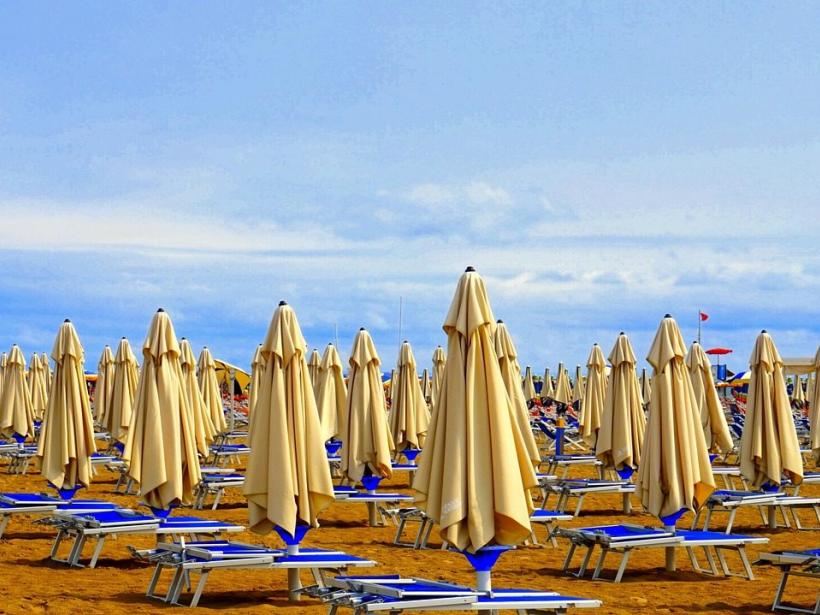
Photo: matthiasboeckel, Pixabay (Pixabay Content License)